

In today’s digital age, where children and young adults spend hours online every day, ensuring their safety in the virtual world is more crucial than ever. From social media interactions to online gaming, the internet offers endless opportunities for learning and connection—but it also comes with significant risks. That’s where an Internet Safety Workshop can make a real difference. At 2020 Dreams, we specialise in delivering engaging online safety programmes tailored to students from primary school to college. These workshops empower young people to navigate the web responsibly, covering everything from basic privacy tips to advanced threats like cyber bullying and inappropriate content.
Whether you’re a teacher, parent, or school administrator, investing in an Internet Safety Workshop aligns perfectly with PSHE (Personal, Social, Health and Economic education) requirements. Our sessions help meet the National Curriculum’s focus on responsible technology use, teaching students to protect their personal information, recognise unacceptable behaviour, and seek help when needed. In this blog, we’ll explore the different workshop options available, key topics like online privacy, sexting, AI dangers, deepfakes, cyber bullying, and more, all while highlighting how 2020 Dreams can support your educational setting.
Why Choose an Internet Safety Workshop for Your School or College?
The internet is a double-edged sword: it fosters creativity and global connections but exposes users to dangers like grooming, misinformation, and exploitation. According to recent studies, over 50% of young people have encountered harmful content online, underscoring the need for proactive online safety education. 2020 Dreams’ Internet Safety Workshops are designed to address these challenges head-on, with interactive sessions that engage students and provide practical tools for safer digital habits.
Our workshops are flexible, available in-person or virtually via platforms like Zoom or Teams, and can be customised for any group size or duration (from 1 to 4 hours). They’re suitable for a wide range of environments, including primary schools, secondary schools, colleges, universities, foster homes, and even corporate settings for staff training. Plus, booking multiple sessions often qualifies for discounts, making high-quality online safety education accessible and affordable.
Tailored Internet Safety Workshops for Every Age Group
One of the standout features of our Internet Safety Workshops is their adaptability to different developmental stages. We offer age-appropriate content that builds foundational skills in younger children and delves into complex issues for older teens and young adults. Here’s a breakdown of options from primary school to college:
Primary School (KS1 and KS2): Building Basic Online Safety Foundations
For younger students in primary school, our workshops focus on simple, relatable concepts to introduce online safety. Children learn the importance of keeping personal details private, such as not sharing names, addresses, or photos with strangers online. We cover basic topics like recognising false identities (e.g., adults posing as children) and the dangers of downloading files that could contain viruses or inappropriate content.
Through fun, interactive activities and PowerPoint presentations, children are taught to distinguish between “personal” and “private” information. This early education helps prevent issues like accidental exposure to pornography or other harmful material, aligning with PSHE goals of fostering responsible digital citizenship from a young age.
Secondary School (KS3 and KS4): Addressing Teen-Specific Online Risks
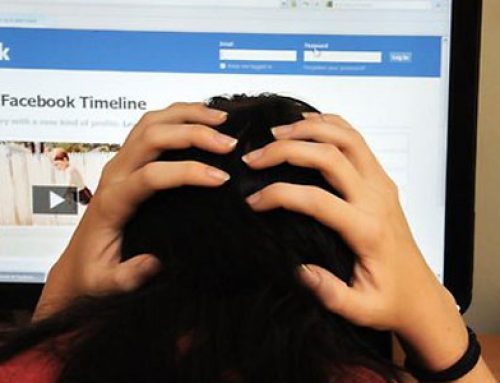
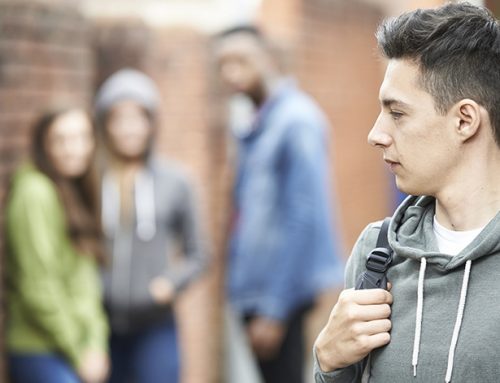
As students enter secondary school, the digital landscape becomes more complex with social media and peer interactions. Our Internet Safety Workshops for this group dive deeper into topics like cyber bullying, which can take forms such as hurtful messages, rumours, or exclusion online. We discuss the emotional impact and strategies to report and block bullies.
Other key areas include online privacy—teaching teens to manage privacy settings and avoid sharing sensitive data—and sexting, where we highlight the legal and personal consequences of sending or receiving explicit images. Workshops also touch on password safety, encouraging strong, unique passwords to prevent hacks. For PSHE relevance, we address exposure to inappropriate content, including pornography, helping students understand how to avoid it and seek support if encountered.
College and University (KS5 and Beyond): Advanced Online Safety for Young Adults
At the college level, students face sophisticated threats in an increasingly independent digital world. Our workshops for KS5 and young adults cover emerging dangers like AI dangers and deepfakes—manipulated media that can spread misinformation or be used for harassment. We educate on spotting deepfakes, understanding AI-driven scams, and protecting against identity theft.
Building on earlier topics, sessions emphasise sexting risks in relationships, the long-term effects of cyber bullying, and strategies to combat online exploitation. Pornography and inappropriate content are discussed in the context of consent, mental health, and addiction, providing tools for healthy online boundaries. These workshops are ideal for universities, PRUs, or young offender institutions, offering mature discussions that prepare participants for real-world scenarios.
Key PSHE Topics Covered in Our Internet Safety Workshops
Our Internet Safety Workshops go beyond basics, integrating a range of PSHE-related issues to provide comprehensive online safety education. Here’s how we address some of the most pressing concerns:
Online Privacy: Protecting Personal Information in a Connected World
In every workshop, online privacy is a core focus. Students learn why sharing personal details can lead to risks like grooming or identity fraud. We provide actionable tips, such as using privacy settings on apps and avoiding public Wi-Fi for sensitive activities, helping them maintain control over their digital footprint.
Sexting and Sharing Explicit Content: Understanding the Risks
Sexting is a growing concern, especially among teens. Our sessions explain the legal implications (e.g., it’s illegal for under-18s in the UK) and emotional fallout, like regret or blackmail. We encourage open discussions on consent and empower students to say no, while guiding them on reporting incidents.
AI Dangers and Deepfakes: Navigating Modern Digital Threats
With AI advancing rapidly, our workshops highlight dangers like deepfakes—fake videos or images that can damage reputations or spread false information. We teach critical thinking skills to verify content and discuss AI’s role in scams, ensuring students are prepared for future tech challenges.
Cyber Bullying: Strategies to Combat and Cope
Cyber bullying affects mental health profoundly. Workshops cover its various forms, from trolling to doxxing, and offer coping strategies like documenting evidence and seeking adult help. We emphasise building resilience and promoting kindness online as part of broader PSHE values.
Pornography, Inappropriate Content, and Other Relevant Issues
Exposure to pornography and inappropriate content can happen accidentally or through peer pressure. Our online safety programmes address this by teaching avoidance techniques, like safe search filters, and discussing impacts on self-image and relationships. We also cover related PSHE topics, such as grooming via social media or gaming, illegal file sharing, and where to turn for support (e.g., Childline or school counsellors).
Unique Features of 2020 Dreams Internet Safety Workshops
What sets our workshops apart? They’re delivered by experienced facilitators who keep sessions engaging and interactive, often incorporating real-life examples and recommended resources like the book Grooming in the 21st Century by Letise Sampson. Feedback from similar programmes praises our ability to captivate audiences: “The speaker was excellent and the boys were fully engaged,” says R. Thomson from Warwick School.
Available UK-wide and internationally, these workshops can be standalone or part of a series on life skills, crime, and social issues. They’re perfect for meeting Ofsted requirements on safeguarding and digital literacy.
Ready to Enhance Online Safety at Your Institution?
Don’t leave online safety to chance—equip your students with the knowledge they need through an Internet Safety Workshop from 2020 Dreams. Whether for primary pupils learning the basics or college students tackling AI dangers, our programmes deliver lasting impact.
Contact us today to book a session or learn more about customising workshops for your needs. Visit our Internet Safety Workshops to get started. Stay safe online!



Leave A Comment