
Misogyny Workshops for Schools: Why Schools Must Act Now Ahead of the New RSHE Changes
Misogyny in schools is no longer something that can be dismissed as harmless banter, poor behaviour or a one off pastoral issue. It is now a serious safeguarding, behaviour, culture and curriculum concern that schools across the UK are having to address with far more confidence, structure and urgency. This is why misogyny workshops in schools are now more important than ever.
With the updated RSHE guidance coming into effect from September 2026, schools are expected to do more to help pupils understand respectful relationships, consent, online influence, harmful attitudes, gender based abuse, pornography, coercive behaviour, misogyny and the impact of toxic online content. For many schools, this means reviewing what is currently being taught, identifying gaps in provision and ensuring pupils receive age appropriate, realistic and engaging education before harmful attitudes become normalised.
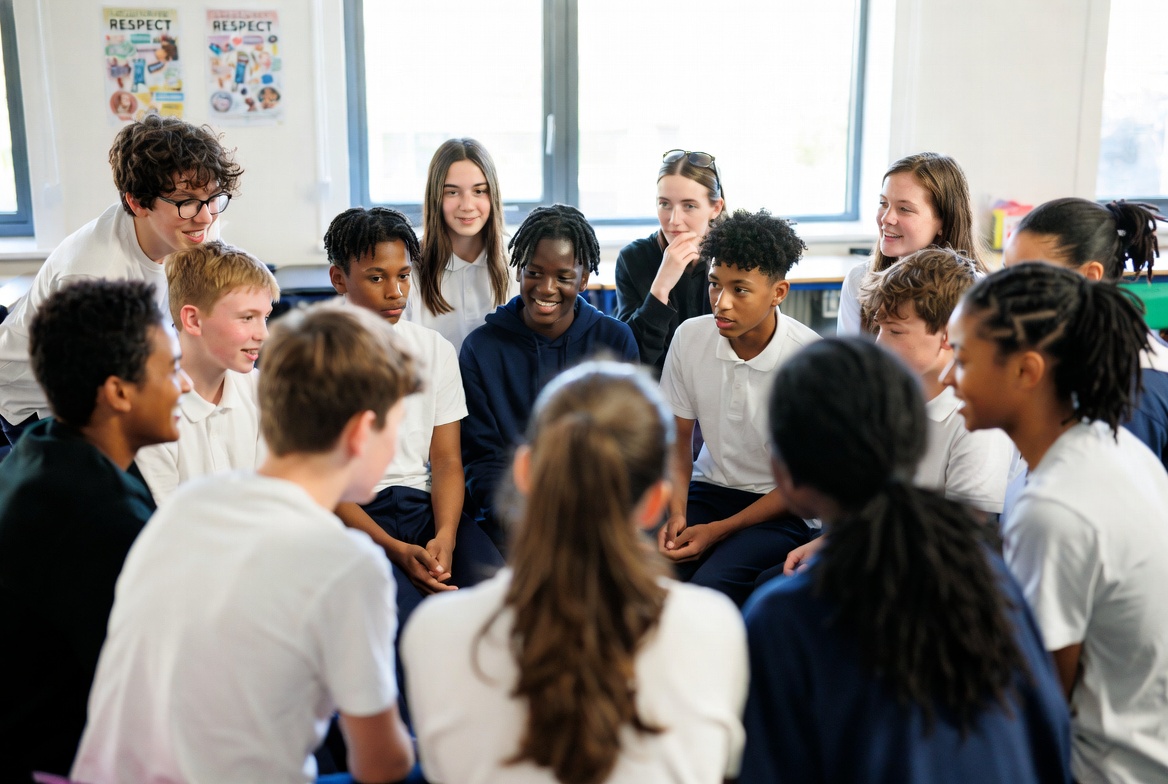
misogyny-workshops-students
This is where specialist Misogyny Workshops for Schools from 2020 Dreams can make a real difference.
At 2020 Dreams, our Misogyny Workshops are designed to support schools, colleges, alternative provisions, SEMH settings, PRUs and youth organisations in tackling misogynistic attitudes in a direct, age appropriate and practical way. Our sessions help pupils understand what misogyny is, how it appears in everyday school life, how online influencers and social media can shape attitudes, and why respect, equality, empathy and accountability matter.
These workshops are not designed to shame boys, alienate pupils or create defensive conversations. They are designed to open up honest discussion, challenge harmful thinking and give young people the tools to recognise and question behaviours that can damage relationships, school culture and personal development.
What is Misogyny?
At its core, misogyny is the dislike, prejudice, or contempt towards women and girls. In schools, it often appears disguised as “banter”, jokes, or casual comments, but it can quickly escalate into sexism, harassment, and harmful attitudes.
When Does Banter Stop Being Funny and Start Being Harmful?
Many pupils do not realise they are repeating misogynistic ideas. What starts as “just a joke” can normalise disrespect, damage self-esteem, and create an unsafe environment for girls, while putting unhealthy pressure on boys.
Common examples of misogynistic “banter” heard in UK schools include:
- “She’s always around boys, so what does she expect?”
- “Girls say they want nice guys but always go for the same type.”
- “You can’t joke anymore because girls get offended by everything.”
- “If she has male friends, she’s keeping her options open.”
- “Stop acting emotional — that’s soft.”
- “Modern girls have no standards but expect everything from men.”
These comments may seem harmless to some, but over time they shape attitudes, lower girls’ confidence, and teach boys that control and disrespect are normal.
Harmful Messaging from Online Influencers (Manosphere Content)
Many young people are exposed to more extreme ideas online. Common messages include:
- “Real men don’t show emotion — that’s weakness.”
- “Women only respect men with money and status.”
- “Feminism has ruined relationships.”
- “Men should always be in charge.”
Misogyny workshops in schools directly address these issues by helping pupils recognise harmful messages, understand their impact, and learn how to challenge them safely and constructively.
Why Misogyny Workshops for Schools Are Now Essential
Many schools are already seeing the impact of misogyny through classroom comments, peer group behaviour, social media conversations, sexist jokes, disrespect towards female staff, sexual harassment, inappropriate online language and pupils repeating views they have absorbed from online personalities.
For some pupils, misogyny is obvious and intentional. For others, it appears through casual comments, peer pressure, humour, group chats, online trends or attitudes picked up from content they do not fully understand. This is why schools need structured education that helps pupils explore these issues properly, rather than simply punishing incidents after they occur.
Misogyny can affect school life in several ways, including:
- Sexist language being normalised among pupils.
- Girls feeling uncomfortable, dismissed or unsafe in certain spaces.
- Boys feeling pressured to perform a narrow version of masculinity.
- Female staff being spoken to with less respect.
- Pupils repeating harmful views from online influencers.
- Peer groups treating sexual harassment as humour.
- Online group chats becoming spaces for degrading comments.
- Pupils struggling to understand the difference between confidence, dominance, control and respect.
Schools cannot afford to wait until a serious incident occurs before responding. A proactive approach helps prevent harmful attitudes from becoming embedded in the school culture.
The Link Between Misogyny, Online Influence and School Safeguarding
One of the biggest challenges for schools is that misogyny is not always coming from inside the school itself. Many pupils are being influenced by online spaces that promote harmful ideas about women, girls, relationships, sex, masculinity, power and status.
Pupils may come across content that tells them:
- Men should dominate relationships.
- Girls and women should be judged by appearance or sexual reputation.
- Respect is weakness.
- Control is a sign of strength.
- Consent is negotiable.
- Empathy is not masculine.
- Girls are responsible for male behaviour.
- Feminism is something to mock or attack.
These messages can spread quickly through TikTok, YouTube, podcasts, gaming chats, Snapchat, Instagram, group chats and short form video content. Some pupils may not see themselves as misogynistic, but they may still repeat harmful ideas because those ideas are presented online as confidence, humour, self improvement or male empowerment.
Our Misogyny Workshops for Schools help pupils unpack these influences in a realistic way. We explore how online content is designed to grab attention, how algorithms can push more extreme material, how harmful messages are disguised as advice, and how young people can think more critically about the content they consume.
What Our Misogyny Workshops for Schools Cover
Our workshops are tailored to the age group, school setting and safeguarding priorities of each organisation. Sessions can be adapted for upper primary, secondary, sixth form, colleges, alternative provision and specialist settings.
A typical Misogyny Workshop can cover:
- What misogyny means in real life and how it affects pupils.
- The difference between banter, disrespect, bullying, harassment and abuse.
- How sexist attitudes can appear in classrooms, corridors, playgrounds, sports spaces and online groups.
- The impact of misogynistic language on girls, boys, staff and the wider school culture.
- How online influencers, social media and digital masculinity can shape behaviour.
- The link between misogyny, coercive control, sexual harassment and unhealthy relationships.
- How pornography and online sexual content can distort expectations around sex, consent and relationships.
- How pupils can challenge harmful comments safely and appropriately.
- Why respect, empathy and accountability are important in friendships and relationships.
- How boys and young men can reject harmful expectations without feeling attacked.
- How girls and young women can recognise unacceptable behaviour and seek support.
- How schools can build a culture where sexism and harassment are not normalised.
The content is delivered in a way that is clear, direct and age appropriate. We avoid sensationalism, but we do not water down the issue. Pupils are given space to think, discuss, question and reflect.
Why Schools Should Not Wait Until September 2026
Although the new RSHE guidance comes into effect from September 2026, schools should not wait until then to begin preparing. Misogyny, sexual harassment, online influence and harmful attitudes are already present in many school communities.
Schools that act early are in a stronger position to:
- Prepare pupils before the new academic expectations become embedded.
- Show a proactive safeguarding response.
- Support PSHE, RSHE and behaviour leads with external specialist input.
- Address current concerns before they escalate.
- Provide evidence of preventative education.
- Support staff who are dealing with difficult classroom comments or peer behaviour.
- Build confidence around challenging toxic online influence.
- Review current curriculum gaps and strengthen provision.
Demand for Misogyny workshops for schools is already increasing, particularly as schools prepare for the updated RSHE requirements. Booking early gives schools more choice around dates, year groups and delivery structure, especially during busy PSHE, enrichment, transition and drop down day periods.
Misogyny Is Not Just a Secondary School Issue
It is important to be realistic. Misogyny does not suddenly appear in Year 10 or Year 11. Attitudes towards gender, respect, relationships and power can begin forming much earlier.
For primary schools, the focus is not on adult themes or explicit content. It is about building the foundations for respectful behaviour, kindness, fairness, boundaries, personal safety and challenging stereotypes.
For upper primary pupils, workshops can explore:
- Respectful friendships.
- Gender stereotypes.
- Kindness and fairness.
- Name calling and put downs.
- Online behaviour.
- Peer pressure.
- Confidence and self worth.
- Treating boys and girls equally.
- Knowing when to speak to a trusted adult.
For secondary pupils, the workshop can become more detailed, covering online misogyny, social media influence, sexual harassment, consent, peer pressure, group chats, pornography, coercive behaviour and respectful relationships.
This staged approach allows schools to deliver age appropriate education that develops as pupils mature.
Supporting Boys Without Blaming Boys
A strong Misogyny Workshop should never be about blaming all boys. That approach often creates defensiveness and shuts down the conversation. The aim should be to help boys and young men recognise harmful messages, understand the impact of behaviour and feel confident choosing a healthier version of masculinity.
Many boys are also under pressure. They may feel they need to appear dominant, unemotional, sexually experienced, aggressive, dismissive or constantly in control. These pressures can harm boys as well as girls.
Our workshops help boys explore:
- What healthy masculinity can look like.
- Why respect is not weakness.
- How to deal with peer pressure.
- How to challenge friends without losing face.
- Why online influencers may not be positive role models.
- How harmful attitudes can damage future relationships.
- How to show confidence without controlling others.
- How to take responsibility without feeling attacked.
This balanced approach makes the sessions more effective. Pupils are more likely to engage when the conversation is firm, fair and realistic.
Supporting Girls and Young Women
Misogyny can have a direct impact on girls’ confidence, safety, wellbeing and sense of belonging in school. When sexist language or harassment is tolerated, girls may feel they have to ignore it, laugh it off or change their behaviour to avoid being targeted.
Our workshops help girls and young women understand:
- What unacceptable behaviour looks like.
- Why sexist comments should not be normalised.
- How to recognise coercion, pressure and manipulation.
- How online behaviour can affect self esteem and relationships.
- Where to seek help if something feels wrong.
- Why they are not responsible for managing other people’s disrespectful behaviour.
- How to assert boundaries safely and confidently.
The aim is to empower pupils without placing the burden on girls to solve misogyny themselves. The responsibility sits with the whole school community.
Misogyny, Sexual Harassment and Behaviour Culture
Misogyny can be linked to wider concerns around sexual harassment, bullying, peer on peer abuse, online safety and school behaviour. This does not mean every sexist comment is a safeguarding crisis, but it does mean schools should take patterns seriously.
When pupils repeatedly hear or use language that degrades girls and women, it can create a culture where more serious behaviours are minimised. This can include unwanted comments, rumours, sharing images, sexualised jokes, online harassment, intimidation or pressure within relationships.
A good school response should include both behaviour management and education. Sanctions may be needed in some cases, but education helps pupils understand why the behaviour is harmful and how to change it.
Our Misogyny Workshops support this wider culture change by helping pupils connect everyday language and attitudes with real world consequences.
Why External Workshops Are Valuable
Schools already do a significant amount through PSHE, safeguarding, pastoral support and behaviour policies. However, external workshops can add real value because pupils often respond differently to a specialist facilitator who brings fresh perspective, practical examples and experience of working across many school settings.
External Misogyny Workshops can help by:
- Reinforcing key messages already taught in PSHE.
- Supporting staff with difficult or sensitive topics.
- Providing pupils with a focused space to discuss real issues.
- Helping schools respond to emerging concerns.
- Giving SLT evidence of proactive preventative education.
- Supporting curriculum development ahead of RSHE changes.
- Creating a shared language around respect, safety and accountability.
- Reducing the pressure on internal staff to deliver complex content alone.
For schools dealing with recent incidents, these workshops can also provide a constructive way to reset expectations and rebuild a more respectful culture.
How the Workshop Is Delivered
Our Misogyny Workshops are interactive, age appropriate and discussion based. They are designed to keep pupils engaged while ensuring the subject is handled safely and professionally.
Delivery can include:
- Scenario based discussion.
- Real world examples.
- Guided reflection.
- Group questions.
- Myth busting.
- Online influence analysis.
- Respectful debate.
- Practical strategies for challenging harmful behaviour.
- Clear safeguarding signposting.
The session is not a lecture. It is structured to encourage pupils to think critically, recognise harmful patterns and consider their own role in creating a respectful school environment.
Suitable Year Groups
Our Misogyny Workshops can be adapted for:
- Year 5 and Year 6.
- Key Stage 3.
- Key Stage 4.
- Sixth form.
- College students.
- SEMH settings.
- PRUs and alternative provision.
- Youth organisations.
- Staff teams and safeguarding leads.
Staff CPD on Misogyny and Online Influence
Alongside student workshops, 2020 Dreams can also provide staff CPD to help teachers, pastoral teams, safeguarding staff and support staff feel more confident recognising and responding to misogynistic attitudes.
Staff CPD can cover:
- How misogyny appears in school settings.
- How online influencers are shaping pupil attitudes.
- How to respond to sexist comments in the classroom.
- How to avoid dismissing harmful language as banter.
- How to support pupils affected by misogyny or harassment.
- How to challenge behaviour without escalating defensiveness.
- How misogyny links to safeguarding, behaviour and RSHE.
- How to build consistency across the school.
This is particularly useful for schools that want a whole school approach rather than a one off pupil session.
Why Book 2020 Dreams Misogyny Workshops for Schools
2020 Dreams has extensive experience delivering PSHE, safeguarding and personal development workshops for schools, colleges, universities, local authorities and youth organisations across the UK.
Our Misogyny Workshops are designed to be:
- Age appropriate.
- Safeguarding aware.
- Realistic and relevant.
- Interactive and engaging.
- Tailored to your school setting.
- Suitable for mainstream, SEMH and alternative provision.
- Focused on prevention, reflection and behaviour change.
- Aligned with current PSHE, RSHE and safeguarding priorities.
We understand that schools need sessions that are professional, credible and pupil friendly. Our workshops avoid unnecessary jargon and focus on the real issues pupils are seeing, hearing and experiencing.
Workshop Booking Options
We can deliver Misogyny Workshops as:
- Single year group sessions.
- Multiple sessions across the school day.
- Drop down day workshops.
- Assemblies.
- Targeted intervention sessions.
- Staff CPD sessions.
- Parent awareness sessions where appropriate.
Full day delivery usually allows for 4 to 5 one hour sessions across the school day. We can also provide assembly style sessions for larger groups where this is more suitable for the school timetable.
Sessions can be delivered face to face, and virtual delivery may be available depending on the school’s requirements.
Why Demand Is Increasing
Schools are now under increasing pressure to show that they are taking misogyny, online influence, sexual harassment and respectful relationships seriously. This pressure is coming from several directions, including statutory RSHE expectations, safeguarding responsibilities, parent concerns, pupil voice, behaviour trends and the growing influence of online content.
Many schools are already booking ahead because they recognise that misogyny cannot be addressed effectively through one poster, one assembly or one policy update. Pupils need meaningful conversations, guided discussion and clear education that speaks to the world they are actually living in.
With the September 2026 RSHE changes approaching, availability for specialist Misogyny workshops for schools is expected to become increasingly limited, particularly during summer term, enrichment weeks, transition days and PSHE drop down days.
Schools that want to secure dates should book early.
Book Misogyny Workshops for Schools With 2020 Dreams
If your school is reviewing its PSHE or RSHE provision, preparing for the updated statutory guidance, responding to concerns around sexist language, or looking to take a proactive approach to online misogyny and harmful attitudes, our Misogyny Workshops can support you.
2020 Dreams can tailor the workshop to your year group, setting, safeguarding priorities and timetable. Whether you need sessions for one year group, a full day of workshops, targeted support for a specific cohort, or staff CPD, we can help you deliver meaningful education that supports safer, healthier and more respectful school communities.
Ready to take action? Contact 2020 Dreams today. Early booking is strongly recommended, as demand for Misogyny Workshops is increasing ahead of the September 2026 RSHE changes.
Related PSHE Workshops
- Manosphere Workshops
- Toxic Masculinity Workshops
- Internet Safety Workshops
- Healthy Relationships Workshops
- VAWG Workshops
- Misogyny Workshops
Authoritative Links

Leave A Comment