
Manosphere Workshops For Schools, Colleges, Universities and Staff Training – Digital Masculinity & The Rise of Online Male Gurus
Manosphere Workshops have been developed as a direct response to the growing volume of online content that promotes misogyny, distrust of women, and rigid, harmful ideas about masculinity. In today’s fast evolving digital landscape, young people in schools, colleges, and universities are regularly exposed to messages that shape how they understand relationships, identity, and self worth. Increasingly, these messages are influencing attitudes in ways that raise serious safeguarding and wellbeing concerns. In response, 2020 Dreams has created Manosphere Workshops to address these risks directly and constructively.

These narratives are not only offensive but influential. Repeated exposure can normalise hostility towards women, distort expectations around relationships, and discourage emotional openness. Over time, this can lead to disrespectful or controlling behaviour and limit healthy emotional development. For some young people, sustained engagement with this content can also create pathways towards more extreme or grievance based thinking, mirroring the gradual processes seen in other forms of online grooming and radicalisation.
Our Manosphere Workshops move beyond definitions and terminology. They focus on the real world impact of online misogyny and provide educators, youth workers, and safeguarding leads with practical, age appropriate approaches for early intervention. The sessions explore how certain influencers monetise frustration and insecurity, how online communities foster a sense of belonging that can reinforce harmful beliefs, and how professionals can challenge these ideas without alienating or shaming young people.
At 2020 Dreams, we are committed to supporting education settings with current, evidence informed resources. Manosphere Workshops form a core part of our wider PSHE, online safety, and safeguarding provision, supporting schools, colleges, and universities to address emerging risks and promote healthier, more respectful attitudes among young people.
What is the Manosphere and Its Impact on Young People
Our Manosphere Workshops explain that the manosphere is a collection of online spaces, such as social media, forums, and blogs, where narrow and unhealthy ideas about being a man are shared. In these spaces, women and feminism are often blamed for men’s problems, and sexist attitudes are treated as normal or justified. Although these groups can look different on the surface, they often push the same message, that society is unfair to men and that women or feminism are responsible for that unfairness.
Key groups include Men’s Rights Activists (MRAs), incels (involuntary celibates), MGTOW (Men Going Their Own Way), pick-up artists (PUAs), and some fathers’ rights advocates. Their ideas might clash, but they often agree that gender equality has weakened traditional male roles. A big concept is “red-pilling” – like in The Matrix – meaning waking up to “hidden truths” about gender that society supposedly ignores.
Influencers on YouTube, TikTok, and Discord amplify this, gaining followers among young males with content that glamorises dominance, bottling up emotions, and suspicion of women. Recent studies show these views are sticking around and changing, linking to wider radicalisation and even shifts in how young men vote in 2025.
Manosphere Workshops Overview
Workshop: Manosphere Workshops Duration: 1 to 4 hours, bespoke sessions available Delivery: Face to face or virtual Suitability: Secondary schools, colleges, sixth forms, SEMH, PRUs, universities, youth settings and professional training Geography: UK and international
Key Areas Explored Within Manosphere Workshops
- Understanding the manosphere and online male identity
- Misogynistic influencer culture
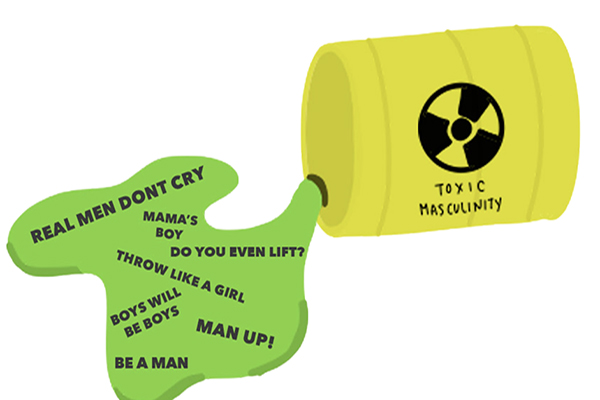
- Toxic masculinity and emotional suppression
- Teenage abusive relationships and coercive control
- Healthy relationships and consent
- Violence against women and girls
- Online grooming and radicalisation tactics
- Peer influence and algorithmic echo chambers
- Safeguarding and early intervention
Addressing Harmful Ideologies Through Education
Our Manosphere Workshops – Influencer Dangers are designed to push back against the spread of these online communities. Delivered in a straightforward, age-appropriate way, they help young people:
🔹 Get to grips with key ideas like the manosphere, toxic masculinity, incel culture, and how radicalisation happens online.
🔹 Unpack the tricks influencers and forums use to draw in followers, often playing on feelings of rejection, loneliness, or insecurity – things many students face in school or college life.
🔹 Think about how gender stereotypes hurt everyone, limiting how boys express emotions and encouraging bad habits that show up in classrooms or social groups.
🔹 Build skills in spotting fake or harmful content online, so students can make smart choices about what they watch or share.
🔹 Promote a better version of masculinity based on emotional health, respect, and positive relationships – countering the “tough guy” image that’s common in playground banter or uni halls.
This fits right into your statutory safeguarding and PSHE requirements, offering a proactive way to deal with misogynistic influencer trends, extreme talk, and gender-based issues online. It’s ideal for upper KS3, KS4, and post-16 groups.
The Manosphere Workshops Overview – Understanding the Manosphere and the Dangers of Influencer Misogyny
These workshops tackle the rising worry of misogynistic online spaces known as the “manosphere”. Aimed at students, teachers, and professionals in schools, colleges, and unis, they look at how influencers exploit insecurities and group pressures to radicalise young men. Using practical, psychology-backed methods, our facilitators break down how dangerous ideas about masculinity, gender roles, and women get spread.
2020 Dreams’ Manosphere Workshops address the increasing pull of online male-focused spaces that promote misogyny, strict gender rules, a sense of sexual entitlement, and twisted views on masculinity, relationships, and power. As digital spaces change, so do the messages hitting young people in schools, colleges, and unis – shaping attitudes and behaviours in really concerning ways.
We’ve built these workshops to counter the quick spread of content that treats women and girls as the enemy, brushes off consent, makes emotional bottling-up seem normal, and pushes dominance as the key to male success. This isn’t just edge-of-the-internet stuff anymore; it’s mainstream, boosted by algorithms in social media, gaming, and influencer worlds that students access every day.
Ongoing contact with manosphere content is linked to rising misogyny, teen abusive relationships, coercive behaviours, peer sexual harassment, and attitudes that lead to violence against women and girls. Our Manosphere Workshops are a key piece of our safeguarding package, working alongside Misogyny Workshops, VAWG Workshops, Toxic Masculinity Workshops, and Healthy Relationships sessions for a complete, preventive approach.
Manosphere Workshops and the Real-World Impact on Young People
Manosphere Workshops go beyond basics to explore how online ideas turn into everyday actions. For many boys and young men in schools or colleges, these narratives affect how they see girls, deal with rejection, understand consent, and judge their own worth – showing up in classroom dynamics or campus social scenes.
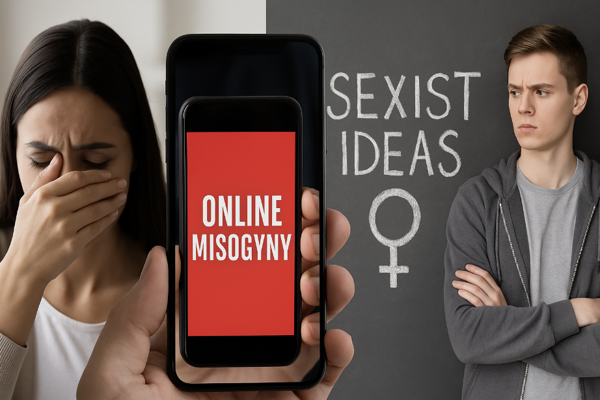
Online misogyny often comes wrapped as motivation, “banter”, or “real talk”, making it hard for young people to spot the harm. Over time, it can make sexist comments feel okay, justify controlling stuff, and downplay abuse. Our workshops connect this to real outcomes like unhealthy relationships, emotional upset, harassment, and safeguarding alerts. Recent reports show this spilling into education, with more gender-based incidents and a spike in misogynistic “banter” after the 2024 elections.
This supports head teachers and staff in handling issues that pop up in behaviour logs, safeguarding referrals, and pastoral chats – especially when online influences are at play.
Recent Developments in the Manosphere (2025-2026 Updates)
In 2025, the manosphere kept a strong hold, with figures like Andrew Tate staying popular despite legal issues, feeding into a conservative trend among young men in unis and colleges. UN Women points out how these spaces turn misogyny into a weapon, affecting daily life and linking to radicalisation. About two-thirds of young guys follow masculinity influencers, worsening feelings of isolation where many think “no one gets me”. The year saw more talk on boys’ mental health and things like paternity leave, but also a rise in online hate after elections, with phrases like “Your body my choice” exploding over 4600%.
By early 2026, experts warn the manosphere threatens democracy, with AI and digital tools normalising misogyny – leading to femicide every 10 minutes globally and calls to make misogyny central in stopping violence.
Manosphere Workshops, Misogyny and Sexist Ideology
Our Manosphere Workshops link closely to Misogyny Workshops, focusing on spotting and challenging harmful beliefs, language, and behaviours towards women and girls. In manosphere spots, misogyny gets repackaged as fair anger, “biological facts”, or just “banter”, making it seem acceptable in school corridors or uni chats.
Through the workshops, students look at how these ideas get normalised, how sexist jokes hide real harm, and how it affects girls’ safety, confidence, and involvement in lessons or campus activities. This is vital for stopping things escalating to sexual harassment, coercive control, or teen abusive relationships.
Manosphere Workshops, Toxic Masculinity and Male Identity
Manosphere Workshops tie in with our Toxic Masculinity Workshops, tackling pressures on boys to hide emotions, dominate, and link masculinity to control, sex, or status – stuff reinforced in manosphere content and influencer vibes.
Students explore how this harms guys too, leading to mental health struggles, isolation, anger, and trouble building good relationships – common issues in school wellbeing teams or uni counselling. Workshops challenge that vulnerability is weakness, promoting emotional smarts, respect, and empathy as real strengths.
This backs safeguarding on mental health, peer pressures, and early help, while cutting risks of harming others.
Manosphere Workshops and Healthy Relationships Education
Manosphere Workshops boost Healthy Relationships teaching by calling out online myths about gender roles, consent, and power. Lots of manosphere stuff undermines equality and respect, pushing control instead – affecting how students date or interact in college or uni.
Sessions help students see what healthy relationships really look like: good communication, boundaries, respect, consent, and sharing the load. It’s spot-on for teens figuring out early romances, where online trends, peer pressure, and high expectations mix.
Manosphere Workshops and Violence Against Women and Girls
Manosphere Workshops support our VAWG Workshops by addressing attitudes that fuel gender-based violence. Online misogyny, entitlement, and hate towards women contribute to harassment, abuse, and worse – issues head teachers see in safeguarding cases.
Early intervention helps schools, colleges, and unis meet UK Government VAWG strategy and updated RSHE guidance, stressing consent, online harms, coercive control, and abuse protection.
Radicalisation Workshops
Radicalisation Workshops (integrated within or closely linked to our Manosphere Workshops) provide targeted support to help young people recognise and resist online radicalisation pathways, particularly those tied to misogynistic influencer culture and the broader “manosphere.”
These sessions explore how algorithms and online communities can draw vulnerable boys and young men into extreme views through gradual exposure to grievance-based thinking, emotional manipulation, echo chambers, and influencer “grooming” tactics—mirroring processes seen in other forms of online exploitation and aligning with Prevent duties.
Key focus areas include:
- Understanding online radicalisation risks in manosphere spaces (e.g., red-pill ideologies, incel culture, anti-feminist narratives, MGTOW, pick-up artists).
- Spotting manipulation by misogynistic influencers who exploit insecurities around male identity, belonging, loneliness, rejection, and peer pressure.
- Building resilience against harmful content that escalates from rigid gender norms and emotional suppression to entitlement, hatred towards women, homophobia, sexist ideologies, and potential pathways to gender-based violence or extremism.
- Promoting critical thinking, digital literacy, spotting echo chambers/social media manipulation, and positive alternatives for healthy masculinity and emotional health.
Andrew Tate: Countering a Notorious Manosphere Influencer’s Impact on University Students
Andrew Tate stands out as one of the most notorious influencers in the manosphere, with his content still influencing young people despite ongoing legal challenges for charges like human trafficking and rape in Romania as of 2026. His messages, often shared through fan accounts and alternative platforms after bans from major sites like TikTok and YouTube, promote misogyny, wealth as power, and a “hustler” mindset that dismisses traditional education as a “waste of time.” This resonates particularly with university students, where his “Hustlers University” promises quick riches and appeals to those feeling frustrated with academic pressures or uncertain futures – drawing in about two-thirds of young men who follow similar influencers, heightening isolation and radicalisation risks.
For uni students, Tate’s influence shows up in campus culture: from “banter” that echoes his sexist views in halls or lectures, to a spike in misogynistic attitudes post-elections, with phrases surging over 4600%. It can lead to harmful behaviours towards female peers or staff, affecting group work, social events, and overall safety – mirroring reports of boys as young as 11 parroting his rhetoric, but amplified in higher ed where independence meets vulnerability.
Our Manosphere Workshops counteract this by equipping students and staff with tools to challenge Tate’s narratives head-on. Through discussions on his “get-rich-quick” appeals vs real-world skills, critical looks at his misogyny disguised as “truth”, and promoting positive masculinity, we help unis foster respectful environments. Sessions include role-playing campus scenarios, debunking economic myths (like his anti-uni rhetoric), and building resilience against isolation – turning potential damages into opportunities for growth, equality, and better mental health support.
Why Manosphere Workshops Matter
Manosphere Workshops give schools, colleges, and universities a hands-on, preventive tool against rising misogyny, unhealthy behaviours, and gender-based harm from online culture. Without action, these narratives can lead to sexual harassment, controlling actions, emotional abuse, and bigger safeguarding headaches.
As part of a connected package with our Misogyny Workshops, Toxic Masculinity Workshops, Healthy Relationships, and VAWG Workshops, it helps promote respect, equality, and safety – meeting PSHE and safeguarding standards.
Participants will learn to:
🔹 See how young people get pulled into toxic online groups.
🔹 Spot grooming tactics from big influencers.
🔹 Understand how misogynistic and homophobic ideas become “normal” online.
🔹 Think about the emotional and relationship fallout from these views.
🔹 Check digital content, algorithms, and influencer business critically.
Understanding the Link: The Manosphere, Toxic Masculinity, and Radicalisation
The manosphere is a collection of online communities – blogs, forums, videos – pushing twisted views of masculinity. They often agree men are under attack from society, blaming feminism and equality moves. Extreme parts like incel groups, MGTOW, and “alpha male” influencers breed misogyny, entitlement, and distrust of women and systems.
These ideas shape how young men see themselves and others in school, college, or uni life.
Toxic masculinity – emotional shutdown, aggression, dominance – runs through it all. It discourages vulnerability or seeking help, leading to antisocial stuff, disrespect, and bad group dynamics in classrooms or dorms.
The manosphere can be a radicalisation gateway, using words that hit home for frustrated or misunderstood youth, blaming problems on women or change. Once in the echo chamber, risks of extreme views or harm rise online and off.
Manosphere Workshops offer structured sessions to break this cycle early. With discussions, activities, and scenarios, students learn to:
🔹 Spot online radicalisation and gender bias signs
🔹 Break down harmful masculinity myths
🔹 Get the impact of misogyny and violence
🔹 Build empathy, awareness, and critical skills
It’s a practical way for educational settings to tackle gendered hate and online extremism, with experienced facilitators making it age-right, risk-checked, and based on real cases affecting students today.
Why This Workshop Matters
Figures like Andrew Tate’s rise shows how online misogyny affects boys’ growth, relationships, and long-term wellbeing in schools and beyond. They use clever messaging and viral clips to build power, exploiting vulnerabilities while pretending it’s about success.
Manosphere Workshops challenge this, helping young people:
🔹 Question influencer appeal and truth
🔹 See masculinity beyond dominance or wealth
🔹 Find positive role models and build resilience
🔹 Form respectful, equal relationships
🔹 Take back critical thinking from online pressure
Manosphere-Focused Workshops: Topics for Critical Exploration and Discussion
1. The Manosphere: What It Is and Why It Matters
For Ages: 14+ Summary: Some online spaces tell boys being kind or respectful is weak – that’s the manosphere, full of groups pushing unhealthy gender, power, and relationship ideas. We break it down, how it spreads, why it’s harmful, and what real strength looks like in school or uni.
🔹 Topics include: harmful stereotypes, online influencers, peer pressure, and staying true to values.
2. Influencers & Online Pressure: Who’s Really in Control?
For Ages: 13–18 Summary: TikTok stars to fitness gurus – influencers shape thoughts, looks, time. Spot when it’s manipulation, talk parasocial bonds (feeling close to strangers online), protect from comparisons and ads – relevant for college social media pressures.
🔹 Topics include: body image, online pressure, emotional manipulation, smart online choices.
3. Being a Boy Today: Strength, Respect & Mental Health
For Ages: 13–18 (boys only) Summary: What does “being a man” mean now? We talk pressures to act tough, hide feelings, control – challenge them, focus on emotional strength like asking for help, supporting mates, building confidence without putting down – key for uni mental health.
🔹 Topics include: mental health, respect, friendship, positive role models.
4. Recognising Misogyny Online: What’s the Harm?
For Ages: 14–18 Summary: Online messages pushing disrespect or hate to girls – that’s misogyny. Understand it online, why people buy in, challenge safely. Cover ‘banter’, pressures, language harm – hits home in school playgrounds or college groups.
🔹 Topics include: online hate, boundaries, respect, digital responsibility.
5. Online Truths: How Not to Get Tricked by the Internet
For Ages: 10+ Summary: Internet full of info – but what’s real? Learn platform choices affect opinions, spot fake news, emotional tricks, make informed calls – essential for uni research or school projects.
🔹 Topics include: algorithms, misinformation, media bias, critical thinking.
6. Cancel Culture: Calling Out or Tearing Down?
For Ages: 15+ Summary: Offensive stuff – “cancel” or not? Explore accountability vs online hate/shame, free speech, real apologies, tough talks without attacks – relevant for college debates or social media.
🔹 Topics include: online reputation, forgiveness, free speech, responsibility.
7. Online Male Role Models: Real Advice or Red Flags?
For Ages: 14+ Summary: Online guys giving advice on confidence, success, relationships – but is it good? Spot positive models vs toxic, especially in uni self-help trends.
🔹 Topics include: Social Media influencers content, self-esteem, peer influence, respectful relationships.
8. Feeling Left Out? Why Some Groups Pull You In
For Ages: 13–18 Summary: Online groups promising friends, identity, answers – but hiding extremes. Understand draw-in, find safe belonging – big for school cliques or uni freshers.
🔹 Topics include: online radicalisation, loneliness, belonging, healthy communities.
Key Themes Explored in The Manosphere Workshops
🔹 Understanding the Manosphere Age-right intro: what it is, online spread, why it hooks young people in schools/colleges. Breaks down MRAs, PUAs, “red pill” forums.
🔹 Influencers and Online Radicalisation How personalities shape views, algorithms push extremes, repeated exposure normalises bad gender ideas – like in uni feeds.
🔹 Toxic Masculinity Pressures to “act tough” or hide emotions harming wellbeing/relationships – common in school sports or college lads’ culture.
🔹 Incel Culture and Online Extremism Incels’ beliefs, online growth, real dangers from isolation/anger exploited – ties to campus mental health.
🔹 Recognising Everyday Misogyny Spot attitudes to women/girls – sexist jokes to abuse, impact of normalising – addresses school “banter”.
🔹 Peer Influence and Positive Intervention Reflect on group roles, respond to harmful stuff safely – useful for peer mentoring in unis.
🔹 Promoting Healthy Masculinity Positive views embracing emotions, respect, kindness – building inclusive identity for students.

Why The Manosphere Workshops are Vital
Young people face hostile gender messages from the manosphere daily. Without help, it leads to misogyny, harassment, violence, radical views – issues head teachers deal with.
Workshops support safeguarding, PSHE/RSE goals, promoting equality/tolerance/respect. With national concerns rising in education/policing/policy, proactive steps are key.
Key Stats*
- 69% of boys aged 11–14 in the UK have encountered online content promoting misogyny, often through algorithms pushing such material during searches for fitness or gaming content. Source: Vodafone Research, 2024
- 77% of girls and young women aged 7–21 have experienced online harm in the past year, including sexist comments, hate speech, and sexual harassment. Source: Girlguiding Girls’ Attitudes Survey, 2024
- 44% of Gen Z women in the UK report negative mental health impacts from exposure to misogynistic content online, with some avoiding or leaving social media platforms altogether. Source: Amnesty International UK, 2025
- 61% of young men aged 18–24 feel pressured to ‘man up’ due to damaging gender stereotypes, with 55% believing that crying in front of others would make them feel less of a man. Source: YouGov Future Men Survey
- 600% increase in traffic to incel-related websites was reported in the UK, with the largest forum receiving 2.6 million monthly visits. Source: Center for Countering Digital Hate, 2022
- 4x increase in misogynistic content was observed on TikTok’s “For You” page over five days, highlighting how social media algorithms can amplify harmful ideologies. Source: University College London & University of Kent Study, 2024
- Two-thirds of young men regularly engage with masculinity influencers online, contributing to isolation and radicalisation risks. Source: Movember Foundation & UN Women, 2025
- Femicide occurs every 10 minutes worldwide, with misogyny amplified by digital ecosystems. Source: UN News, 2025
- Post-2024 election, misogynistic phrases surged over 4600% in 24 hours among youth. Source: PBS, 2025
Book The Manosphere Workshops
Early action is crucial to help young people build critical thinking and resilience against harmful online ideas. Manosphere Workshops – Influencer Dangers are built to support schools, colleges, unis in handling toxic masculinity, misogynistic content, and radicalisation among young men.
Interactive and age-fit, using role play, discussions, debates to engage and reflect. Delivered by experienced facilitators handling sensitive topics carefully – impactful, inclusive, risk-assessed.
We’ve run PSHE workshops UK-wide, adapting to settings/needs. If addressing misogyny, influencers, gender harm preventively, let’s chat about supporting your institution.
Related Workshops for Comprehensive Safeguarding and PSHE Support
To build on gender issues, online risks, relationships, check these 2020 Dreams workshops:
- VAWG Workshops Preventing violence against women/girls, promoting safety, tackling gender harm.
- Teenage Abusive Relationships Spot abuse signs, understand consent, build safe relationships.
- Misogyny Workshops Handle sexism, incel culture, online radicalisation for equality/respect.
- Toxic Masculinity Workshops Challenge harmful norms, support positive masculinity.
- Healthy Relationships Skills in communication, boundaries, mutual respect.
- Radicalisation Workshops Focuses on radicalisation (including online pathways), helping young people understand risks, spot manipulation tactics similar to grooming processes, and comply with Prevent legislation. This complements grooming awareness by addressing ideological exploitation and online recruitment for extremism or terrorism.
- Gender Equality Workshops – Gender equality workshops address bias, stereotypes, representation, and respect, promoting inclusive and informed learning environments.
You May Also Like…






References & Evidence Sources
Our workshops and content are informed by the latest authoritative research and statistics on the manosphere, online misogyny, youth radicalisation, and gender-based harm. Here are key external sources:
- Office for National Statistics – Crime in England and Wales, Year Ending September 2025: Latest data on knife offences, homicides, and violence trends impacting young people.
- Youth Endowment Fund – Children, Violence and Vulnerability 2025: Survey data on gang involvement, exploitation risks, and prevention strategies for young people.
- YEF – Youth Work and Violence Prevention (2026): Evidence on awareness-building and mentoring to reduce serious violence.
- Ben Kinsella Trust – Knife Crime Research & Guidance: Insights on early indicators, prevention, and education’s role in addressing violence linked to online influences.
- Girlguiding Girls’ Attitudes Survey 2024–2025: Data on girls’ experiences of online harm, sexism, and safety concerns.
- Amnesty International UK – Reports on Online Misogyny and Mental Health (2025): Findings on negative impacts of misogynistic content on Gen Z women.
- YouGov Future Men Survey: Statistics on young men’s pressures to conform to damaging gender stereotypes.
- Center for Countering Digital Hate – Incel Forum Traffic Report (2022, trends ongoing): Growth in incel-related online activity in the UK.
- University College London & University of Kent Study (2024): TikTok algorithm amplification of misogynistic content.
- Movember Foundation & UN Women (2025): Engagement with masculinity influencers and links to isolation/radicalisation.
- UN News – Global Femicide and Misogyny in Digital Ecosystems (2025): Worldwide femicide rates and digital amplification of misogyny.
- PBS – Post-2024 Election Misogynistic Surge Among Youth (2025): Rapid increase in misogynistic phrases online.
These trusted sources ensure our approach is current, credible, and evidence-informed. For more research or to discuss tailoring these workshops to your setting, contact us today.