
Situational Awareness Workshops for Schools, Colleges, Universities and Staff Training
2020 Dreams Situational Awareness Workshops help children, young people and adults develop practical personal safety skills for everyday life. Participants learn how to notice what is happening around them, interpret changing situations, anticipate avoidable risk and make calm decisions that can reduce vulnerability without encouraging fear, confrontation or hypervigilance.
Our Situational Awareness Workshops for Schools are designed around the real environments young people move through: walking to and from school, public transport, shopping centres, parks, town centres, festivals, parties, university campuses, unfamiliar areas and online-to-offline social situations. Sessions can also explore digital distraction, peer pressure, alcohol and drugs, spiking awareness, knife and gang-related risk, personal boundaries, emergency communication and knowing when to leave a situation or get help.
Situational awareness is closely connected with personal safety education, but it is broader than a list of rules. It is a decision-making skill. A person notices relevant information, works out what it may mean, considers how the situation could develop and chooses a proportionate response. That might mean changing route, moving closer to other people, putting a phone away, checking on a friend, speaking to venue staff, leaving early or contacting emergency services.
Our Personal Safety Workshops for Schools avoid fear-based teaching and exaggerated claims that young people can predict every danger. The aim is not to make pupils suspicious of everyone around them. It is to improve observation, judgement, confidence and help-seeking while reinforcing that responsibility for crime or abuse always lies with the person causing harm.
Core Features of Our Situational Awareness Workshops
- Situational awareness and personal safety skills
- Reading environments without stereotyping people
- Recognising changes in atmosphere, behaviour and risk
- Planning safer routes and identifying places to get help
- Public transport, stations, shopping centres and town-centre safety
- Digital distraction, headphones and reduced environmental awareness
- Moving with purpose and maintaining appropriate personal space
- Peer pressure, group decision-making and safer exit strategies
- Conflict avoidance and de-escalation awareness
- Knife crime, gang-related risk and knowing when to disengage
- Alcohol, drugs and impaired judgement
- Spiking awareness and helping an unwell friend
- Dating apps, online-to-offline meetings and personal boundaries for older learners
- Crowded places, events and unfamiliar environments
- Silent 999 calls and emergency communication
- Personal safety for university students and young adults
- Situational Awareness Staff Training and professional development
The workshop can stand alone as a broad Situational Awareness and Personal Safety Workshop or be combined with specialist 2020 Dreams programmes on Knife Crime, County Lines, Gang Prevention, Drugs, Peer Pressure, Online Safety, VAWG and Driver Awareness.
What Is Situational Awareness?
Situational awareness is the ability to notice relevant information in an environment, understand what it may mean and anticipate how a situation could change. It is used in many professional fields, but the same basic principle is useful in everyday personal safety.
For young people, situational awareness might involve noticing that a route has become unusually isolated, recognising that an argument nearby is escalating, realising that loud headphones are reducing awareness of traffic or people approaching, identifying a staffed place where help is available, or deciding not to continue into an environment that feels increasingly unsafe.
Situational awareness is not about profiling people by appearance, assuming unfamiliar people are dangerous or constantly expecting something bad to happen. Good personal safety education focuses on behaviour, context, changes in the environment and proportionate responses.
The Situational Awareness Loop: NOTICE → INTERPRET → ANTICIPATE → ACT
A unique feature of our Situational Awareness Workshops is the Situational Awareness Loop. It turns an abstract idea into a simple decision-making process that participants can use across different settings.
NOTICE
What has changed? Notice people, movement, exits, traffic, noise, space, lighting, group behaviour and anything unusual for that environment.
INTERPRET
What does the information mean? Separate a genuine change in risk from assumptions based only on appearance or anxiety.
ANTICIPATE
If nothing changes, what could happen next? Think one step ahead before a situation becomes more difficult to leave.
ACT
Choose a proportionate response: create distance, change route, move towards people or staff, contact someone, leave or get emergency help.
The purpose of the loop is early decision-making. A small adjustment made early is often easier than trying to manage a situation after it has escalated.
Why Situational Awareness and Personal Safety Matter in 2026
Personal safety education needs to be realistic rather than alarmist. The latest Office for National Statistics data for England and Wales show that several serious crime categories fell in the year ending March 2026, including knife-enabled crime, robbery of personal property and theft from the person. That is important context: young people should not be taught that public spaces are becoming universally more dangerous.
At the same time, significant numbers of offences still occur and everyday risk is not limited to crime statistics. Young people navigate traffic, unfamiliar places, crowds, alcohol, online contacts, public transport, peer pressure and distractions from phones and headphones. Situational Awareness Workshops therefore focus on practical judgement rather than creating fear.
Knife-enabled offences
Police-recorded knife or sharp-instrument offences in England and Wales, down 8% in the year ending March 2026.
Personal-property robberies
Police-recorded robbery of personal property fell 9% compared with the previous year.
Theft from the person
Police-recorded theft from the person fell 20% in the year ending March 2026.
These figures are included for context, not to frighten participants. The workshop concentrates on decisions that can improve personal safety across many everyday situations, including risks that will never appear in crime statistics.
The 30-Second Environment Scan: SPACE → PEOPLE → ROUTE → HELP → DISTRACTION
Our 30-Second Environment Scan gives participants a quick way to orient themselves when arriving somewhere unfamiliar or when the atmosphere around them changes.
What kind of environment is this? Is it busy, isolated, well lit, enclosed, unfamiliar, changing quickly or difficult to leave?
What behaviour is relevant? Look for actions, movement, conflict or pressure rather than making judgements from clothing, age, race or appearance.
Where are you going next? Know the next sensible route, exit, transport connection or alternative if the original plan stops feeling suitable.
Where could you get support? Venue staff, transport staff, security, a shop, reception, trusted adults, friends or emergency services may all be relevant.
What is taking your attention? Phone use, headphones, tiredness, alcohol, conversation, rushing or stress can all reduce awareness of environmental changes.
Situational Awareness Scenario Lab: What Would You Notice First?
The Situational Awareness Scenario Lab gives participants realistic situations without asking them to play out violence or confrontation. The focus is observation, early choices and appropriate help-seeking.
The Changing Platform
A student is waiting for public transport while focused on their phone. The platform becomes quieter and the service changes.
Decision point: What information should they notice before automatically following the crowd or staying in place?
The Argument Nearby
A disagreement in a shopping area is becoming louder and people are beginning to gather around it.
Decision point: Is there any benefit in moving closer, filming or getting involved, or is creating distance the safer choice?
The Friend Who Wants to Stay
A group at a party notices that one friend is becoming uncomfortable but another says everyone should stay because they have only just arrived.
Decision point: How can group pressure prevent people from acting on reasonable safety concerns?
The Unfamiliar Meeting
An older student plans to meet somebody they have only spoken to online.
Decision point: What choices about location, transport, trusted contacts and independence make the meeting easier to leave if necessary?
Digital Distraction and the Head-Up Habit
ProtectUK personal-security guidance identifies being distracted by an electronic device in a public place as one circumstance that can increase vulnerability. Smartphones are useful safety tools, but they can also absorb attention at the exact moment environmental information matters.
Our Situational Awareness Workshops use the Head-Up Habit to help participants manage technology without unrealistic rules such as “never use your phone outside”.
Look up before crossing roads, entering stations, approaching a vehicle, changing direction or moving through busy areas.
Consider whether headphone volume or noise cancellation is removing information you need in that environment.
If you need directions or messages, choose somewhere sensible to stop rather than becoming isolated or blocking a route.
Maps, transport information, trusted contacts and emergency communication can improve safety when used deliberately.
For broader digital-safety education, see our Online Safety Workshops.
Personal Safety on Public Transport and During Independent Travel
Moving from primary to secondary school often brings greater independence. Pupils may begin walking alone, using buses or trains, changing routes and travelling to unfamiliar areas without an adult.
Personal Safety Workshops for Schools can help pupils think through practical travel decisions without presenting ordinary travel as inherently unsafe.
- Checking routes and service changes before travel
- Knowing where staffed or busier areas are
- Keeping enough phone battery for important communication where possible
- Letting a trusted person know about significant changes to plans
- Moving away from escalating conflict rather than stopping to watch or film
- Recognising when distraction is reducing awareness
- Having an alternative route or contact if transport is cancelled
- Asking transport staff or police for help when appropriate
- Avoiding pressure to follow friends into situations that feel unsafe
Street Safety and Town-Centre Awareness
Street Safety Workshops are a common way of describing this area of personal safety education. Our situational awareness content includes street and town-centre environments while avoiding simplistic messages such as “never go out alone” or assuming a particular type of person presents a threat.
Participants explore how environmental factors can affect choices.
- Lighting and visibility
- Crowd levels
- Open businesses and staffed spaces
- Road crossings and traffic
- Routes with multiple exit options
- Sudden changes in group behaviour
- Unplanned detours
- Phone and headphone distraction
- Choosing not to enter or remain in an escalating situation
Situational Awareness, Knife Crime and Conflict Avoidance
Situational awareness can support knife-crime prevention when it is taught as early avoidance, not tactical confrontation. Young people do not need to learn how to challenge, disarm or physically control somebody carrying a weapon.
Instead, workshops explore how to notice environmental changes, avoid joining crowds around fights, resist pressure to intervene for status, create distance from escalating disputes and get adult or emergency help.
NOTICE EARLY → CREATE DISTANCE → MOVE TOWARDS SAFETY → GET HELP
The safest outcome is usually preventing involvement in the first place. This is not self-defence instruction and participants are never encouraged to approach a weapon or intervene physically.
Schools requiring greater depth can combine this workshop with our Knife Crime Workshops.
Situational Awareness, Gangs and County Lines
Gang and County Lines exploitation can change the way a young person experiences ordinary environments. Fear of particular people, routes, postcodes, transport hubs or peer groups may influence where they go and how they behave.
Situational awareness education can help pupils recognise pressure and avoid being drawn into situations they do not fully understand, but it should not imply that a child can protect themselves from exploitation simply by “being more aware”. Grooming and coercion require safeguarding intervention.
- Recognising when a friend is pressuring the group towards risk
- Understanding that “just come with us” can still be a decision point
- Leaving before conflict or criminal activity escalates
- Knowing when behaviour has moved beyond peer pressure into exploitation
- Telling trusted adults when fear is affecting routes, attendance or everyday movement
For specialist prevention work, see our Gang Prevention Workshops and County Lines Workshops.
Peer Pressure, Group Safety and Exit Strategies
A surprising amount of personal risk develops because people stay with a group after their own judgement tells them to leave. This can happen because nobody wants to appear scared, boring or disloyal.
“This is getting different from what we planned.”
Suggest another route, venue, transport option or activity rather than only saying no.
You do not need unanimous permission to leave a situation you believe is becoming unsafe.
Where pressure becomes threatening, involve trusted adults, staff, security or police rather than trying to manage it alone.
For a full programme on group influence, see our Peer Pressure Workshops.
Alcohol, Drugs and Reduced Situational Awareness
Alcohol and drugs can affect judgement, co-ordination, attention and reaction time. This matters because personal safety often depends on recognising change early and making decisions before a situation becomes difficult to manage.
Our workshops do not tell pupils that anybody who drinks or uses drugs is responsible if they become a victim of crime. Responsibility always remains with the perpetrator. The educational focus is on understanding impairment, looking out for friends, planning transport and recognising when somebody needs medical or safeguarding help.
- Reduced judgement and slower reactions
- Becoming separated from friends
- Losing track of belongings, routes or transport
- Difficulty recognising coercion or changing risk
- Supporting somebody who is becoming unwell
- Getting help rather than leaving a vulnerable friend alone
For wider substance education, see our Drugs Workshops.
Spiking Awareness and Helping a Friend
Spiking is a crime. Home Office guidance is clear that people have the right not to be spiked and should not be blamed for failing to change their behaviour to prevent somebody else committing an offence.
Situational awareness content therefore avoids victim-blaming messages such as suggesting that covering a drink guarantees safety. Instead, participants learn how to recognise that somebody may be seriously unwell and what to do next.
- Confusion or disorientation
- Nausea or vomiting
- Poor co-ordination or vision
- Difficulty communicating
- Memory loss or blackouts
- Staying with a friend who may have been spiked
- Asking venue staff for help
- Seeking medical attention promptly
- Reporting concerns to police when appropriate
For a specialist programme combining alcohol, consent and spiking awareness, see our Teen Drinking, Alcohol & Sex Workshop.
Dating Apps, Online-to-Offline Meetings and Personal Safety
For sixth-form, college, university and adult audiences, situational awareness can include meeting somebody first encountered online. The issue is not that every online contact is unsafe; it is that the person has not yet been verified through ordinary offline experience.
- Meeting in a public place
- Maintaining independent transport
- Letting a trusted person know the plan
- Avoiding unnecessary dependence on the other person for lifts, accommodation or money
- Keeping enough control over the situation to leave independently
- Recognising pressure to move somewhere more isolated
- Taking discomfort seriously without needing to prove the other person has bad intentions
- Understanding consent and personal boundaries
Crowded Places, Events and Unfamiliar Environments
Festivals, sporting events, concerts, shopping centres and transport hubs contain more movement, noise and distraction than familiar environments. Personal safety in crowded places is therefore partly about orientation: knowing where you are, where your group is, how you would leave and who manages the venue.
ProtectUK advises the public to remain alert in crowded places and to report suspicious behaviour or items rather than investigate them personally.
- Notice exits and staffed areas when arriving
- Agree a meeting point if a group becomes separated
- Follow venue instructions during incidents
- Do not touch suspicious items
- Tell venue staff or police about genuine concerns
- Avoid moving towards incidents simply to film them
- Keep personal safety decisions proportionate to the situation
Silent 999 Calls: What Pressing 55 Actually Does
If you are in danger, call 999 and speak if you safely can.
If calling from a mobile and it is unsafe to speak, the 999 operator may ask you to press 55 or otherwise respond. Pressing 55 when prompted routes a silent mobile call to the police.
A caller may then be asked to respond by tapping, coughing or speaking quietly if possible. Pressing 55 does not mean police automatically know every caller’s precise location, so provide location information if it is safe and possible to do so.
The workshop corrects the common myth that simply dialling 999 and remaining silent automatically guarantees police attendance.
Situational Awareness Workshop Overview
Situational Awareness, Personal Safety and School Safeguarding
“Situational awareness” is not itself a standalone statutory PSHE or RSHE subject. However, a well-designed Situational Awareness Workshop can support broader education around personal safety, recognising risk, healthy relationships, online safety, exploitation, peer pressure, drugs and alcohol, and knowing how to seek help.
KCSIE 2026 comes into force on 1 September 2026. Until 31 August 2026, KCSIE 2025 remains the operative guidance. Where a workshop raises a safeguarding disclosure or concern, the setting’s established safeguarding procedures and DSL arrangements remain central.
The revised Relationships Education, RSE and Health Education guidance also comes into use from 1 September 2026. Its wider focus on risk, relationships, online harms, substance use, personal safety and seeking support creates clear opportunities for situational-awareness education to complement a school’s existing programme.
External workshops support but do not replace a school’s safeguarding responsibilities, risk assessments, emergency procedures, curriculum duties or specialist security advice where a specific threat exists.

Situational Awareness Workshops for Primary Schools
Primary sessions focus on independence, observation and trusted adults rather than frightening children with adult crime scenarios. Typical themes include walking to school, safe routes, road awareness, what to do if plans change, staying with agreed groups, phone distraction, asking staff for help and moving away from arguments or unsafe behaviour.
Situational Awareness Workshops for Secondary Schools
Secondary pupils usually have greater independence and encounter a wider range of public and social environments. Sessions can explore public transport, town centres, digital distraction, group conflict, knife and gang-related risk, peer pressure, online-to-offline contact, parties where age appropriate, helping an unwell friend and emergency communication.
Personal Safety Workshops for Sixth Forms, Colleges and Universities
Post-16 and university students often experience rapid increases in independence: new cities, nightlife, student accommodation, unfamiliar transport routes, dating apps, alcohol, late travel and less direct adult supervision. Content can include night-time travel, independent exit plans, consent and boundaries, spiking awareness, campus safety, festivals and emergency contacts.
Situational Awareness Workshops for SEND, SEMH, PRUs and Alternative Provision
Content can be adapted through visual scenarios, concrete language, smaller groups, repetition and additional time for discussion. Some learners benefit from explicit teaching about environmental cues, personal space, changes in plans, safe places, transport, online-to-offline contact and how to ask for assistance.
Situational Awareness Staff Training and Professional Workshops
Situational Awareness Staff Training can be delivered to education teams, youth workers, charities, community organisations and professional groups needing a practical introduction to personal safety and risk recognition.
- Situational awareness principles
- Personal security without creating fear
- Behaviour-based rather than stereotype-based risk assessment
- Digital distraction
- Conflict avoidance
- Lone-working considerations
- Travel and unfamiliar environments
- Crowded places
- Emergency communication
- Recognising when a concern becomes a safeguarding issue
- Supporting young people after an incident
For broader professional safeguarding programmes, see our Staff Training options.
Benefits of Situational Awareness Workshops
Participants learn to notice changes before a situation becomes more difficult to manage.
The emphasis is proportionate response rather than panic, confrontation or assuming the worst.
Young people can apply the same principles to transport, public spaces, social events and unfamiliar environments.
Participants recognise when phones and headphones are taking attention away from information that matters.
Pupils practise leaving escalating situations without feeling they need group approval.
Students learn when to involve staff, trusted adults, security, police or medical services.
How We Deliver Situational Awareness Workshops
NOTICE → INTERPRET → ANTICIPATE → ACT turns observation into a repeatable decision-making process.
SPACE → PEOPLE → ROUTE → HELP → DISTRACTION helps participants orient themselves quickly in unfamiliar settings.
Transport, shopping, parties, group pressure and online-to-offline meetings are explored through practical decisions rather than violent role-play.
Participants examine how screens, headphones, rushing, fatigue and other distractions alter environmental awareness.
NOTICE EARLY → CREATE DISTANCE → MOVE TOWARDS SAFETY → GET HELP reinforces avoidance rather than confrontation.
Face-to-face workshops are available across the UK with virtual delivery for UK and international organisations.
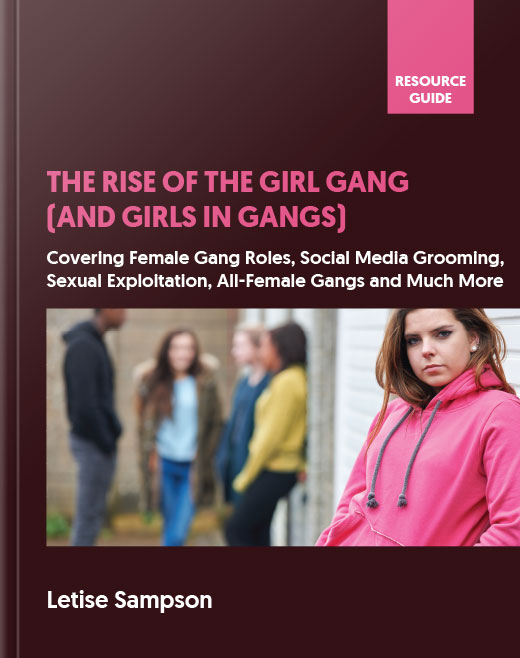
Supporting Resource: Getting Real with Guns and Knives
Getting Real with Guns and Knives supports wider learning around personal safety, weapon-related risk, gang culture, social influence and prevention. The publication can complement Situational Awareness Workshops where a school wants to extend discussion into knife crime, weapons and safer decision-making.




Related Personal Safety and Safeguarding Workshops
Situational awareness works best as part of a wider safeguarding programme where schools can go deeper into the risks most relevant to their pupils.
Knife Crime Workshops
Fear, weapon carrying, escalation, consequences, social influence and safer choices.
County Lines Workshops
Criminal exploitation, grooming, debt, drugs, violence, travel and safeguarding.
Gang Workshops
Recruitment, belonging, status, peer influence, violence and exploitation.
Drugs Workshops
Drugs, alcohol, impairment, risk, peer pressure, nightlife and emergency awareness.
Peer Pressure Workshops
Group influence, boundaries, refusal skills and maintaining independent judgement.
Driver Awareness Workshops
Distraction, passenger pressure, speed, substances, attention and road decision-making.
Situational Awareness Workshops FAQ
Book Situational Awareness Workshops for Your School, College or Organisation
Bring Situational Awareness Workshops to your school, college, university, youth service or organisation. Tell us the age group, number of participants, location, preferred dates and the personal-safety issues you would most like the programme to address.
We can deliver a broad Situational Awareness and Personal Safety Workshop, targeted student sessions, university safety programmes or Situational Awareness Staff Training. Content can also be combined with Knife Crime, County Lines, Gangs, Drugs, Peer Pressure, Online Safety, VAWG or Driver Awareness.
Situational Awareness and Personal Safety References
Our Situational Awareness Workshops draw on current official crime data and public-safety guidance:
- Office for National Statistics – Crime in England and Wales: Year Ending March 2026 – current data on robbery, theft, violence and knife-enabled crime.
- ProtectUK – The Blue Book: A Guide to Personal Security – general principles for personal security at home, work, on the move and online.
- ProtectUK – Threats and Risks – guidance on personal vulnerability including distraction, unfamiliar environments and crowded places.
- Metropolitan Police – How to Make a Silent 999 Call – current guidance on speaking, tapping and pressing 55 when calling from a mobile and unable to speak.
- Home Office – Spiking: Advice and Support – recognising possible spiking, seeking medical assistance and reporting concerns.
- Department for Education – Keeping Children Safe in Education – KCSIE 2025 remains in force until 31 August 2026 and KCSIE 2026 comes into force on 1 September 2026.
- Department for Education – Relationships Education, RSE and Health Education – revised statutory guidance for introduction from 1 September 2026.
These sources support a proportionate approach to personal safety: recognise risk, avoid unnecessary exposure, maintain awareness, seek appropriate help and avoid implying that victims are responsible for crimes committed against them.