
Mental Health Workshops for Schools, Colleges, Parents and Staff Training
2020 Dreams Mental Health Workshops help children and young people understand mental wellbeing, recognise when everyday pressure may be becoming harder to manage, develop practical coping and resilience skills, challenge stigma and know when and where to ask for support. Our workshops are designed for schools, colleges, universities, SEND and SEMH settings, PRUs, alternative provision, parents and professional teams.
Effective Mental Health Workshops for Schools should do more than tell pupils to “think positively”. Young people need accurate, age-appropriate language for emotions, stress, anxiety, low mood, loneliness, self-esteem, body image, sleep, social media pressure, relationships and help-seeking. They also need to understand the difference between normal emotional ups and downs and difficulties that are persistent, intense or beginning to interfere with daily life.
Our Youth Mental Health Workshops are educational and preventative rather than clinical. They do not diagnose pupils, replace therapy or promise to treat a mental health condition. Instead, they strengthen mental health literacy, emotional vocabulary, supportive friendships, coping strategies and confidence in seeking appropriate help.
Sessions are interactive and can be tailored around the needs of the setting. Schools can focus on broad mental health awareness or build a programme around emotional resilience, anxiety and stress, exam pressure, body image, confidence, supportive friendships, social media and mental health, sleep, loneliness or staff awareness.
Core Features of Our Mental Health Workshops
- Mental health awareness and reducing stigma
- Understanding emotions and emotional vocabulary
- Stress, anxiety and everyday pressure
- Low mood and recognising when support may be needed
- Emotional resilience and coping with setbacks
- Confidence, self-esteem and self-talk
- Body image and comparison
- Sleep, routines and the link between physical and mental wellbeing
- Friendships, loneliness and belonging
- Bullying, cyberbullying and mental wellbeing
- Social media, online comparison and digital pressure
- Exam stress and academic pressure
- Anger, frustration and emotional regulation
- How to support a friend without taking on responsibility for fixing them
- Recognising when a trusted adult or professional should be involved
- Age-appropriate signposting and help-seeking
- Mental Health Staff Training and parent workshops
The emphasis throughout is practical: helping pupils identify what they are feeling, understand what may be influencing it, choose healthy coping responses and know when self-help is no longer enough.
What Is Mental Health?
Mental health is part of everybody’s health. It includes our emotional, psychological and social wellbeing and can influence how we think, feel, behave, relate to other people and cope with challenges.
Good mental health does not mean feeling happy all the time. Sadness, worry, anger, disappointment, nervousness and frustration are normal human emotions. A key part of mental health education is helping young people understand the difference between a normal emotional response and a difficulty that has become persistent, overwhelming or disruptive to everyday life.
Our Mental Health Workshops for Children and Young People therefore avoid labelling every difficult feeling as a disorder. Students learn that emotions carry information, that different people respond differently to stress and that asking for help is a strength when a problem is becoming difficult to manage alone.
Why Mental Health Workshops Matter for Schools in 2026
Mental health remains a major issue for children, young people and education settings. The latest national prevalence survey available from NHS England found that in 2023 20.3% of children aged 8 to 16 and 23.3% of young people aged 17 to 19 had a probable mental disorder. “Probable” is a survey classification and is not the same as an individual clinical diagnosis.
Schools are also becoming more closely connected with mental health support. Department for Education data published in June 2026 reported that Mental Health Support Teams were working with almost 11,800 schools and colleges, giving nearly six million children and young people access to support through their education setting.
This makes mental health literacy increasingly relevant across the whole school. Pupils need to understand emotions and help-seeking; teachers need confidence recognising changes and following safeguarding procedures; and parents need clear information that helps them respond without either dismissing concerns or assuming every difficult period is a mental health disorder.
Young People’s Mental Health in Numbers
Ages 8–16
NHS England’s 2023 survey classified around one in five children aged 8–16 as having a probable mental disorder.
Ages 17–19
The same survey found 23.3% of 17–19-year-olds had a probable mental disorder.
Accessed NHS-funded support
Children and young people aged 0–17 with at least one contact from a funded mental health service in the 12 months to March 2025.
Schools and colleges
Almost 11,800 education settings were working with Mental Health Support Teams by June 2026.
These figures explain the need for strong mental health education but they should not be used to diagnose individual pupils. A workshop should improve understanding and routes to support, not encourage children to self-diagnose from a checklist.
The Mental Health Signal Map: FEELINGS → THOUGHTS → BODY → BEHAVIOUR → FUNCTION
One of the unique features in our Mental Health Workshops is the Mental Health Signal Map. Instead of reducing wellbeing to “good” or “bad”, students look at five areas that can change when somebody is under pressure.
FEELINGS
Sadness, worry, anger, numbness, fear, frustration or feeling overwhelmed.
THOUGHTS
Racing thoughts, harsh self-talk, hopelessness, rumination or difficulty concentrating.
BODY
Tiredness, tension, disturbed sleep, appetite changes or physical symptoms linked with stress.
BEHAVIOUR
Withdrawal, irritability, avoidance, conflict, reduced motivation or changes in routine.
FUNCTION
Is the difficulty affecting learning, attendance, relationships, sleep or everyday activities?
The Signal Map is not a diagnostic test. Its value is helping pupils notice patterns and understand why duration, intensity and impact matter when deciding whether to seek additional support.
When Does Everyday Stress Become a Mental Health Concern?
Stress can be a normal response to exams, friendship problems, change, competition or uncertainty. A useful mental health skill is recognising when the response is no longer short-term or proportionate to the situation.
Nervous before an exam, upset after an argument or disappointed after a setback, but able to recover and continue daily life.
Worry, low mood, anger or stress continues for longer than expected or keeps returning.
Sleep, school attendance, concentration, friendships, eating, behaviour or usual activities are being affected.
Where there is an immediate risk to safety, pupils are taught not to manage the situation alone and to involve a trusted adult or appropriate professional urgently.
The 2020 Dreams NOTICE Support Framework
The NOTICE Framework gives pupils a practical route from recognising a change to getting appropriate support. It is designed to reduce the pressure on young people to diagnose themselves or “fix” a friend.
Notice feelings, thoughts, physical signs, behaviour or changes in how everyday life is going.
Talking accurately about what is happening can make the next step clearer and reduce isolation.
Rest, movement, routine, time with supportive people, hobbies and reducing avoidable pressure can help with everyday stress.
Persistent or significant concerns should be shared with somebody who can help decide what support is appropriate.
A workshop is not treatment. Some difficulties need support from school mental health teams, health professionals or emergency services.
Mental Health Myth Lab: What Does “Struggling” Really Look Like?
Mental health difficulties do not always look the way pupils expect. Our Mental Health Myth Lab uses scenarios to challenge assumptions without asking pupils to diagnose fictional characters.
“They Are Still Smiling”
A pupil is sociable in lessons but says privately that they feel overwhelmed and are sleeping badly.
Question: Does appearing cheerful prove somebody is coping well?
“They’re Just Lazy”
A previously engaged pupil begins missing deadlines, arriving late and withdrawing from activities.
Question: What else might sit behind a change in motivation or attendance?
“Everyone Gets Anxious”
A pupil feels nervous before tests, but another is worrying most days and avoiding school activities.
Question: How do duration, intensity and impact change the response?
“My Friend Told Me Not to Tell”
A friend shares a serious concern but asks for absolute secrecy.
Question: When does being supportive mean involving a trusted adult?
Anxiety, Worry and Stress in Mental Health Workshops
Worry and anxiety are normal responses in some situations. The aim of mental health education is not to eliminate every anxious feeling, but to help pupils understand the body’s stress response, recognise when worry is becoming disruptive and know what support is available.
🔹 Everyday worry versus persistent anxiety
🔹 Physical signs of stress
🔹 Avoidance and why it can maintain fear
🔹 Exam pressure and performance anxiety
🔹 Social anxiety and fear of judgement
🔹 Helpful routines and coping strategies
🔹 Talking to a trusted adult
🔹 Recognising when professional support may be appropriate
For settings wanting a deeper focus, see our Anxiety & OCD Workshop.
Low Mood, Depression Awareness and Early Help-Seeking
Feeling low after disappointment, conflict or loss is not automatically depression. Secondary and post-16 workshops can explore how depression differs from temporary sadness, including persistence, loss of interest, changes in energy and disruption to everyday functioning.
The educational aim is recognition and help-seeking, not self-diagnosis. Pupils are encouraged to speak to trusted adults and appropriate professionals when low mood persists, intensifies or significantly affects everyday life.
Schools requiring a dedicated programme can use our Understanding Depression Workshop.
Emotional Resilience: Coping Without Pretending Everything Is Fine
Resilience is sometimes misunderstood as simply “being tough”. In our Mental Health Workshops, resilience means adapting to difficulty, recovering after setbacks, using support and learning strategies that make future challenges easier to manage.
🔹 Understanding setbacks
🔹 Flexible thinking
🔹 Breaking large problems into manageable steps
🔹 Self-compassion rather than harsh self-criticism
🔹 Asking for help
🔹 Maintaining routines
🔹 Building supportive relationships
🔹 Knowing that resilience does not mean coping alone
See our dedicated Emotional Resilience Workshops.
Confidence, Self-Esteem and the Inner Voice
Low confidence can affect participation, relationships, academic risk-taking and willingness to seek help. Workshops explore the difference between confidence and perfection, and between realistic self-reflection and a harsh internal narrative.
🔹 Strengths and values
🔹 Self-talk
🔹 Comparing yourself with others
🔹 Fear of failure
🔹 Assertiveness
🔹 Receiving criticism
🔹 Trying again after setbacks
🔹 Separating self-worth from grades, appearance or popularity
Body Image, Social Comparison and Mental Wellbeing
Body image can affect self-esteem, confidence and wellbeing for young people of all genders. Online filters, edited images, fitness content and constant comparison can intensify pressure around appearance.
Mental Health Workshops can explore how appearance ideals are constructed, why comparison can become distorted and how pupils can build a broader sense of identity beyond appearance.
For a specialist programme, see our Body Image & Self-Esteem Workshop.
Social Media and Mental Health: The Digital Pressure Audit
The relationship between social media and mental health is not simply “phones are bad”. Online spaces can provide friendship, information and support, but they can also increase comparison, expose pupils to harassment or harmful content and make it harder to switch off from social pressure.
Does the feed make me feel that everybody else is happier, richer, more attractive or more successful?
Is this online activity strengthening real connection or making me feel more isolated?
Am I choosing when to use the app, or am I checking automatically because of notifications, streaks or habit?
Is online activity affecting sleep, downtime, concentration or the ability to reset after a difficult day?
This section can be extended through our Social Media & Mental Health Workshops.
Sleep, Physical Health and Mental Wellbeing
Mental and physical health are connected. The revised Health Education guidance emphasises sleep, physical activity, time outdoors, social connection, hobbies and healthy routines as part of mental wellbeing education.
🔹 Sleep and mood
🔹 Exercise and time outdoors
🔹 Regular meals and routines
🔹 Rest and recovery
🔹 Hobbies and interests
🔹 Connection with other people
🔹 Avoiding the message that healthy habits can “cure” a mental health disorder
Self-care can support wellbeing, but workshops are clear that lifestyle advice is not a substitute for professional help where somebody has a significant mental health condition.
Exam Stress, Academic Pressure and Fear of Failure
Academic pressure can affect sleep, concentration, motivation and confidence. Our Student Mental Health Workshops help pupils distinguish productive preparation from pressure that is becoming counterproductive.
The Exam Pressure Reset
Turn vague pressure into specific, realistic tasks.
Use breaks, sleep and sustainable revision rather than repeated all-night studying.
A result matters, but it does not define a person’s entire worth or future.
Talk early when pressure is affecting sleep, mood, attendance or the ability to function.
How to Be a Supportive Friend Without Becoming the Therapist
Young people are often the first to hear that a friend is struggling. That makes supportive friendship an important protective factor, but pupils also need boundaries so they do not feel responsible for managing another person’s mental health alone.
LISTEN → TAKE IT SERIOUSLY → DON’T DIAGNOSE → DON’T PROMISE UNSAFE SECRECY → INVOLVE AN ADULT WHEN NEEDED
A good friend can listen, stay connected and encourage support. They are not expected to become a counsellor, assess risk or keep a serious safety concern secret.
For a dedicated session, see our Supportive Friendships Workshop.
Mental Health Workshop Overview
Mental Health Education, RSHE 2026 and KCSIE
Mental wellbeing forms part of statutory Health Education in England. The revised Relationships Education, RSE and Health Education guidance is for introduction on 1 September 2026.
The guidance expects primary pupils to understand that mental wellbeing is a normal part of daily life, recognise and talk about emotions, understand simple self-care, recognise the effects of loneliness and bullying and know where to seek support.
Secondary teaching builds on this by helping pupils recognise early signs of mental wellbeing concerns, understand common types of mental ill health, develop resilience, understand the links between physical and mental wellbeing and judge when they or somebody they know needs support.
KCSIE 2025 remains in force until 31 August 2026 and KCSIE 2026 comes into force on 1 September 2026. Mental health concerns can intersect with wider safeguarding issues, so disclosures or significant concerns arising during workshops are handled through the setting’s safeguarding procedures.
Department for Education guidance also promotes a whole-school or whole-college approach to mental health and wellbeing. A one-off external workshop can strengthen curriculum, awareness and staff confidence, but it does not replace a school’s safeguarding systems, Mental Health Support Team, pastoral provision or clinical services.

Mental Health Staff Training for Schools and Professionals
Mental Health Staff Training is available for teachers, DSLs, pastoral teams, senior leaders, support staff, colleges, youth workers, charities and organisations working with young people.
Staff training can cover:
🔹 Mental health literacy and appropriate language
🔹 Normal emotional variation versus persistent difficulty
🔹 Anxiety, low mood and stress
🔹 Changes in attendance, behaviour and engagement
🔹 Mental health and safeguarding
🔹 Social media and digital pressure
🔹 Body image and self-esteem
🔹 Supportive conversations
🔹 Boundaries and confidentiality
🔹 Escalation and referral routes
🔹 Supporting without diagnosing
🔹 Whole-school mental health approaches
For dedicated INSET/CPD, see our Mental Health Awareness Staff Training.
Mental Health Workshops for Parents and Carers
Parents often face a difficult balance: taking changes seriously without interpreting every mood, argument or stressful week as a mental health disorder. Our parent workshops provide practical mental health awareness and clearer routes to support.
🔹 Understanding normal emotional development
🔹 Persistent changes worth noticing
🔹 Anxiety, stress and low mood
🔹 Sleep and routines
🔹 Social media and comparison
🔹 Body image and confidence
🔹 School attendance and emotional distress
🔹 Listening without immediately trying to solve everything
🔹 Working with school pastoral teams and mental health support
🔹 Knowing when professional or urgent support is appropriate
Mental Health Workshops by Age Group
Mental Health Workshops for Primary Schools
Primary sessions focus on emotions, worries, friendship, confidence, sleep, resilience, bullying, loneliness, simple self-care and telling a trusted adult.
Aims: build emotional vocabulary, reduce stigma and strengthen early help-seeking without introducing unnecessary clinical detail.
Mental Health Workshops for Secondary Schools
Secondary programmes explore anxiety, stress, low mood, resilience, body image, social media, peer relationships, exam pressure, sleep and recognising when everyday difficulty is becoming a concern.
Aims: stronger mental health literacy, practical coping skills, supportive friendships and confidence seeking help.
Mental Health Workshops for Sixth Forms and Colleges
Post-16 programmes can explore independence, academic pressure, uncertainty about the future, relationships, social media, identity, sleep, work, money stress, accessing support and supporting peers safely.
Aims: practical preparation for greater independence and clearer knowledge of professional support routes.
Mental Health Workshops for Universities and Adults
University and adult sessions can cover transition, isolation, academic or workplace pressure, relationships, online wellbeing, resilience, support pathways and creating healthier cultures.
Aims: mental health literacy, early help-seeking and stronger peer and organisational support.
Mental Health Workshops for SEND, SEMH, PRUs and Alternative Provision
Mental Health Workshops can be adapted for SEND, SEMH, PRUs and alternative provision through smaller groups, visual prompts, clearer language, repetition, scenario work and additional processing time.
Learners may benefit from explicit teaching around recognising emotions, understanding body signals, distinguishing thoughts from facts, managing change, identifying trusted adults and practising language for asking for help.
Where a setting is managing significant individual needs, workshop planning should involve the DSL, SENCO or appropriate pastoral lead. An external educational workshop should complement rather than replace individual support plans or clinical care.
Benefits of Mental Health Workshops for Schools and Colleges
Pupils gain accurate language for emotions, stress, anxiety, low mood and support.
Students learn that duration, intensity and impact matter and know when to involve a trusted adult.
Mental health is discussed as part of normal health while avoiding casual self-diagnosis or insulting labels.
Pupils leave with realistic strategies for everyday stress rather than simplistic promises of permanent positivity.
Young people learn how to listen and stay connected without becoming responsible for diagnosing or treating friends.
Pupil workshops can be combined with parent sessions and staff training for more consistent messages.
How We Deliver Mental Health Workshops
FEELINGS → THOUGHTS → BODY → BEHAVIOUR → FUNCTION helps pupils notice patterns without turning the activity into diagnosis.
Scenarios challenge stereotypes about what struggling “looks like” and encourage curiosity rather than judgement.
A structured route from recognising a concern to involving trusted adults and professional support where appropriate.
Explores comparison, connection, control and recovery in relation to social media and screen habits.
Practical strategies around planning, pacing, perspective and people.
Participants are never pressured to disclose personal mental health experiences publicly, and facilitators do not diagnose individuals.
Face-to-face delivery is available across the UK with virtual sessions for UK and international organisations.
Supporting Resource: Getting a Grasp on Youth Mental Health
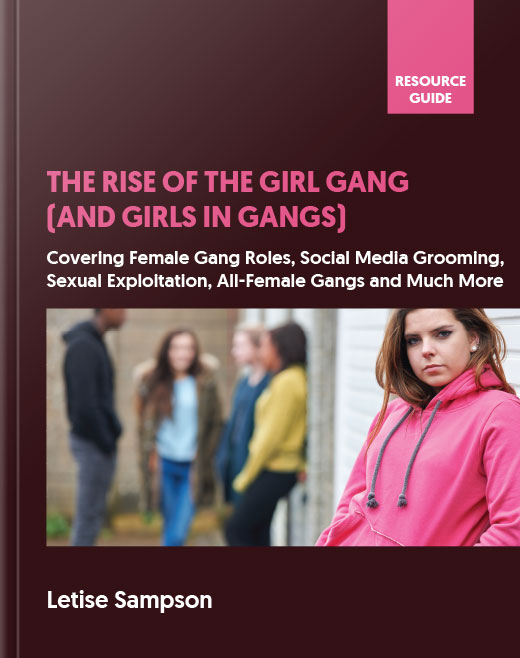
Getting a Grasp on Youth Mental Health can support teachers, parents and professionals who want to extend discussion beyond a one-off Mental Health Workshop.
The resource explores a wider range of youth mental health themes and can support follow-up learning, staff discussion and awareness work across the setting.




Related Mental Health and Wellbeing Workshops
Mental health is a broad topic. Schools can use the main Mental Health Workshops as an umbrella programme or choose specialist workshops where a particular issue needs more depth.
Emotional Resilience Workshops
Setbacks, coping, flexible thinking, confidence, support and recovery.
Anxiety & OCD Workshop
Anxiety awareness, persistent worry, compulsions, coping and help-seeking.
Body Image & Self-Esteem Workshop
Appearance pressure, comparison, self-esteem, filters and healthier identity.
Supportive Friendships Workshop
Listening, empathy, boundaries, peer support and knowing when to involve an adult.
Social Media & Mental Health Workshops
Comparison, online pressure, harmful content, connection and healthier digital habits.
Mental Health Awareness Staff Training
Mental health awareness, safeguarding, conversations, boundaries and referral pathways.
Mental Health Workshops FAQ
Book Mental Health Workshops for Your School, College or Organisation
Bring Mental Health Workshops to your school, college, university, youth service or organisation. Tell us the age group, number of participants, location, preferred dates and the mental health or wellbeing themes you would most like the programme to address.
We can deliver broad Mental Health Awareness Workshops, targeted pupil sessions, parent workshops, Mental Health Staff Training or specialist programmes on Emotional Resilience, Anxiety, Body Image, Supportive Friendships and Social Media & Mental Health.
Mental Health Education and Youth Wellbeing References
Our Mental Health Workshops draw on current NHS and Department for Education evidence and guidance:
- NHS England – Mental Health of Children and Young People in England 2023 – latest national prevalence survey available, including probable mental disorder estimates for ages 8–25.
- NHS England – Performance Report 2024/25 – children and young people’s access to funded mental health services.
- Department for Education – Mental Health Support Teams: 2026 Data – MHST coverage and school/college experience.
- Department for Education – Promoting and Supporting Mental Health and Wellbeing in Schools and Colleges – whole-school and whole-college approach guidance.
- Department for Education – Physical Health and Mental Wellbeing – statutory Health Education content for primary and secondary pupils.
- Department for Education – Keeping Children Safe in Education – KCSIE 2025 remains in force until 31 August 2026; KCSIE 2026 comes into force on 1 September 2026.
- NHS – Children and Young People’s Mental Health Services – information about professional support available for children and young people.
These sources support a proportionate approach: mental wellbeing is part of everyday health, schools should teach pupils how to recognise and discuss emotions, and young people should know when self-care and peer support are not enough and additional adult or professional help is needed.