

Why Pornography Workshops Are Vital for Schools and Colleges
The internet has transformed how young people learn, communicate, and socialise. However, alongside its benefits comes widespread and often unfiltered access to explicit content. Pornography is now one of the most common forms of media that young people encounter, and its impact on wellbeing, relationships, and mental health cannot be ignored.
This is why pornography workshops are becoming an essential part of PSHE and RSE provision in schools and colleges. Delivered by experienced facilitators at 2020 Dreams, these workshops give students a safe, structured environment to explore the risks, ask questions, and learn strategies for resilience.
Understanding the Science: Addiction and the Brain
Pornography consumption is not just a moral or social issue – it is rooted in neuroscience. Our pornography workshops explain in age-appropriate language how the brain responds to pornography, focusing on three key areas:
-
The Dopamine Effect – Online pornography triggers powerful dopamine surges in the brain’s reward centre, encouraging repeated behaviour.
-
The Cycle of Dependency – Over time, the brain adapts and tolerance builds. Students may seek more extreme material for the same sense of satisfaction.
-
Neurological Rewiring – The adolescent brain is highly plastic. Regular exposure can reduce interest in everyday activities, friendships, and study, while reinforcing compulsive habits.
By exploring these scientific principles, students learn that compulsive use is not about weakness but about how the brain becomes conditioned – and, crucially, how they can regain control.
The Psychological and Emotional Impact of Pornography
The dangers of pornography go beyond addiction. Our pornography workshops also highlight the emotional and social consequences:
-
Distorted Perceptions of Relationships – Pornography often depicts unrealistic, aggressive, or one-sided portrayals of intimacy, shaping harmful expectations about sex and consent.
-
Body Image and Self-Esteem – Constant comparison with exaggerated depictions can cause anxiety, low self-confidence, and even disordered behaviours in both boys and girls.
-
Emotional Detachment – Habitual use may reduce empathy, leaving young people detached from meaningful relationships and unable to connect on an emotional level.
-
Mental Health Struggles – Feelings of guilt, secrecy, and shame are common among those struggling with pornography use, often contributing to anxiety, depression, or withdrawal.
What Students Gain from Pornography Workshops
Pornography workshops are not designed to shame or lecture. They are interactive, supportive sessions that equip students with skills and knowledge for the real world:
-
Critical Thinking Skills – Recognising the difference between online fantasy and healthy reality.
-
Coping Mechanisms – Practical strategies for impulse control and healthier digital habits.
-
Communication Skills – Encouraging respectful, open dialogue about relationships, consent, and wellbeing.
-
Resilience – Building confidence to make informed choices in a digital society.
Feedback from headteachers and pastoral leads shows that pornography workshops increase engagement, encourage honest conversations, and improve student awareness of respect, empathy, and safeguarding.
Why Choose 2020 Dreams for Pornography Workshops?
2020 Dreams has over 15 years of experience delivering PSHE workshops to schools, colleges, and youth organisations across the UK. Every pornography workshop is tailored to the age and maturity of the group, ensuring sessions are both safeguarding-compliant and impactful.
By booking a pornography workshop with 2020 Dreams, you are taking a proactive step to protect your students’ wellbeing, help them navigate harmful online influences, and prepare them for healthier relationships.
👉 Learn more about our Pornography Workshops
Frequently Asked Questions (FAQ) on Pornography Workshops
Q1: What is a pornography workshop?
A pornography workshop is a specialist PSHE and RSE session that helps students understand the risks of pornography, including addiction, distorted expectations, and mental health challenges.
Q2: Why are pornography workshops important?
Young people are exposed to explicit content earlier than ever before. Pornography workshops provide safe, guided discussions to build resilience and promote healthier attitudes.
Q3: How do pornography workshops address addiction?
The workshops explain how dopamine and the brain’s reward system create dependency, and provide coping mechanisms to help students manage urges and impulses.
Q4: Are pornography workshops age-appropriate?
Yes. Workshops are carefully adapted for different year groups to ensure they are sensitive, safeguarding-appropriate, and relevant.
Q5: How do pornography workshops support mental health?
By addressing guilt, shame, and secrecy, the workshops encourage open dialogue and show students how to seek support, reducing isolation and building confidence.
Related PSHE workshops
-
Healthy Relationships Workshops – building respect, empathy, and consent.
-
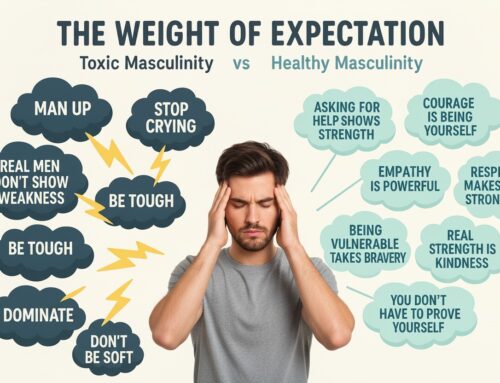
Toxic Masculinity Workshops – addressing harmful gender expectations linked to online influences.
-
Online Safety Workshops – safeguarding against harmful digital behaviours.
-
Mental Health Workshops – supporting emotional wellbeing and resilience.
-
Manosphere Workshops – exploring how online communities shape attitudes towards gender and relationships.




Leave A Comment