
Toxic Masculinity Workshops for Schools, Colleges, University and Staff Training
Toxic Masculinity Workshops delivered by 2020 Dreams respond to a clear and growing concern across education. In classrooms, corridors, online spaces, and peer groups, harmful behaviours are becoming increasingly normalised. Casual sexism, emotional shutdown, aggressive posturing, rejection of empathy, entitlement, and rigid ideas about dominance are now widely visible among children and young people.
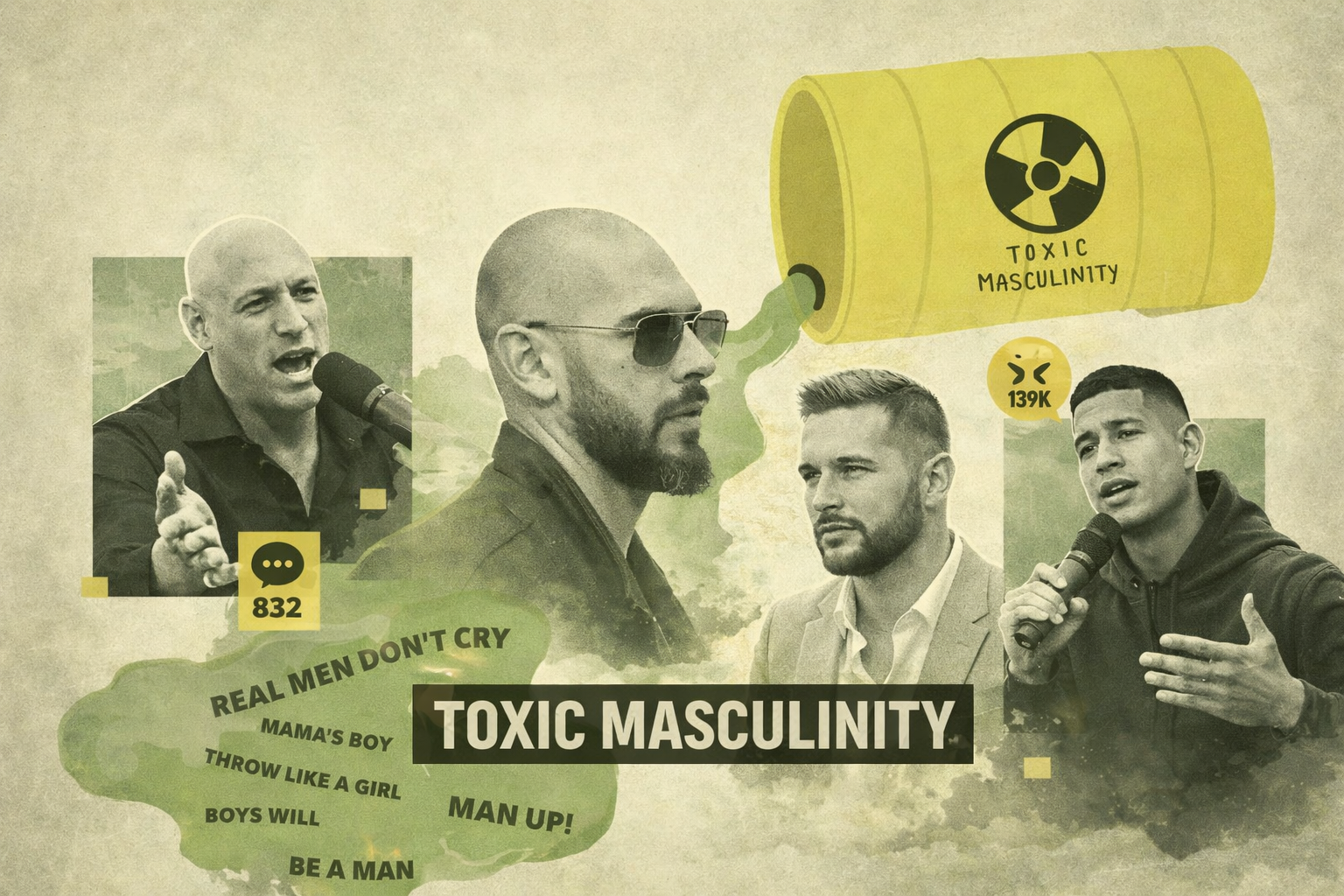
toxic-masculinity-workshops
These attitudes are not emerging in isolation. Toxic masculinity is reinforced daily through social media algorithms, gaming environments, influencer culture, and online communities that reward dominance, control, and emotional suppression. What was once considered fringe is now mainstream, shaping how boys and young men understand relationships, self worth, and power.
Our Toxic Masculinity Workshops are designed to intervene early, provide clarity, and support positive change without blame or judgement.
There is a clear overlap between toxic masculinity and the rise in online gender hostility. For settings requiring a more direct and explicit focus on anti-female narratives, sexism, online harassment and the normalisation of gender-based abuse, our Misogyny Workshops provide a targeted programme that examines these risks in greater depth. Together, both strands strengthen safeguarding, reinforce RSE delivery and support a culture built on respect and accountability.
Why Toxic Masculinity Workshops Are Now a Safeguarding Priority
Boys often absorb distorted messages about masculinity through family dynamics, peer pressure, cultural norms, and online role models. These messages frequently frame emotional vulnerability as weakness, promote control as strength, and reward dominance over empathy.
When left unchallenged, these beliefs embed deeply and can lead to serious consequences including verbal abuse, misogyny, coercive behaviour, resistance to emotional openness, harmful attitudes towards women and girls, and pathways towards radicalised thinking.
This is not simply a behavioural issue. Toxic masculinity directly links to wider safeguarding risks, including peer-on-peer abuse, harmful sexual behaviours, relationship exploitation, and Violence Against Women and Girls. These links are explored further in our dedicated VAWG Workshops and Misogyny Workshops, which complement this programme.
Our Approach to Toxic Masculinity Workshops at 2020 Dreams
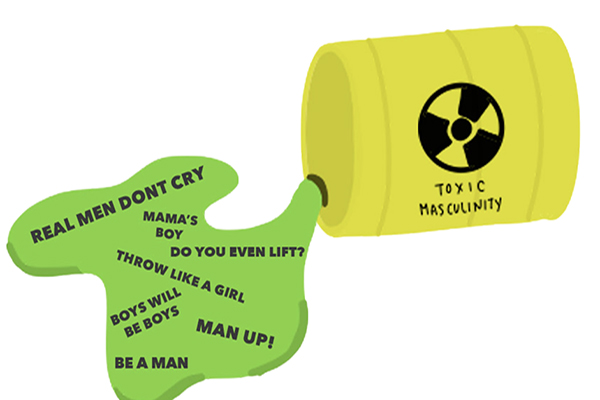
At 2020 Dreams, our Toxic Masculinity Workshops are never about shaming boys or labelling masculinity itself as harmful. Masculinity is not the problem. Harmful and restrictive expectations are.
Our workshops create safe, structured, and facilitated spaces where young people can critically examine cultural messages, reflect on behaviours, and explore healthier alternatives. Participants are supported to redefine strength, leadership, confidence, and self worth in ways that are emotionally healthy, respectful, and inclusive.
Alongside student delivery, our Toxic Masculinity Workshops support educators and professionals with practical strategies to foster emotional literacy, respectful language, and positive male role modelling across school and college culture.
Boys often grow up with distorted views shaped by family dynamics, peer pressure, or societal rewards for dominance and control. Learned behaviours rooted in silence, suppression, and power over vulnerability lead to real crises: difficulties managing emotions, building healthy relationships, and showing respect. Unchallenged, these ideals embed deeply, manifesting in verbal abuse, coercion, resistance to emotional openness, misogyny, and even pathways to radicalised thinking.
At 2020 Dreams, we’ve witnessed these patterns firsthand. Our toxic masculinity workshops are never about shaming or blaming boys—they’re about intervention, reflection, and positive change. We provide safe, structured spaces for young men to examine cultural messages critically, reflect on personal behaviours, and develop healthier ways to express strength, leadership, and self-worth. Educators and professionals gain tools to foster emotional resilience, respect, and inclusion across their settings.
Importantly, these toxic masculinity workshops are not just for boys. Girls also benefit from engaging in these conversations — by helping them make sense of the gender dynamics they experience daily, build confidence in challenging sexist behaviour, and understand the pressures and misrepresentations affecting the boys around them. Mixed-gender sessions can foster mutual understanding, challenge stereotypes from both perspectives, and contribute to a school culture that values equality, safety, and emotional intelligence across the board.
This isn’t merely a safeguarding concern—it’s a societal one. Left unaddressed, toxic masculinity contributes to patterns of abuse, gender-based violence, and extremist ideologies. That’s why our workshops form a cornerstone of our PSHE, mental health, relationships and sex education (RSE), and radicalisation prevention programmes.
The time to act is now. We can’t wait for attitudes to become actions. Our toxic masculinity workshops deliver education, hope, and real tools for change.
Toxic Masculinity Workshop Overview & Delivery Options
🔹 Workshop Title: Toxic Masculinity Workshops
🔹 Duration Options: 60-minute assembly-style sessions, 90–120-minute interactive workshops, half-day or full-day programmes, fully bespoke multi-session courses available
🔹 Delivery Formats: In-person (UK-wide and international) or live virtual via Zoom/Teams—fully interactive with polls, breakout rooms, and discussions
🔹 Suitable Audiences: Upper KS2 (Years 5–6), secondary schools, sixth forms, colleges, universities, SEMH settings, alternative provision, PRUs, foster care, secure estates, youth charities, corporate staff training
🔹 Staff Training Add-On: Specialised sessions for teachers, pastoral teams, safeguarding leads, senior leadership, and support staff—focusing on spotting early signs, handling disclosures, and embedding positive masculinity in school culture
Toxic Masculinity Workshops Tailored for Primary, Secondary Schools & Colleges
Our toxic masculinity workshops are age-appropriately designed to support PSHE and RSE statutory requirements, exploring how harmful stereotypes develop and influence attitudes, language, and behaviour in educational and real-world settings.
In primary schools (upper KS2), sessions emphasise emotional literacy, kindness, respect, positive friendships, and gently challenging gender stereotypes in safe, relatable ways.
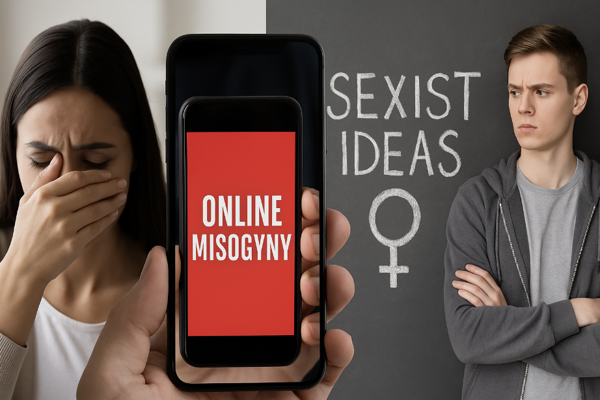
As students move into secondary schools, sixth forms, colleges, and universities, content deepens to cover peer pressure, social media’s role, online misogyny, consent, healthy vs. unhealthy relationships, and the broader wellbeing impacts of rigid masculine norms.
Delivered via structured discussions, interactive activities, realistic scenarios, videos, and group reflection, our toxic masculinity workshops encourage all genders to examine societal expectations on boys and men. Participants learn to differentiate healthy masculinity from toxic traits like aggression, sexism, homophobia, and emotional suppression—building empathy, accountability, respectful communication, and safer, more inclusive environments.
Trusted by Thousands Nationwide
An Honest and Thought-Provoking Toxic Masculinity Workshop
2020 Dreams delivered a Toxic Masculinity workshop for our Year 10 and Year 11 boys, which was highly engaging and well-structured. The facilitator used an effective icebreaker to build rapport before introducing the PSHE content, encouraging strong student interaction throughout. Feedback from pupils was excellent.
Alongside this, 2020 Dreams ran a Contraception workshop for our Year 10 and Year 11 girls. The session offered a balanced mix of videos and discussion, with students confidently sharing their knowledge and asking thoughtful questions. The relaxed and inclusive atmosphere helped create an open and positive learning experience.
B, Wilson. Appleford School

Great Feedback on Toxic Masculinity Training
“The Toxic Masculinity training was an excellent session that opened up important discussions. I found it engaging and relevant, and it highlighted why this topic needs to be addressed within the workplace.”
N. Pendry, Milton Keynes City Council
Absolutely fantastic!
The Sessions Went Well! Thank you for providing the Gender Equality and Misogyny Workshops. All the workshops went well. The students enjoyed their sessions and we look forward to working with you again.
L, Sherman. Head of PSHE, Aldenham School, Borehamwood

The Toxic Masculinity Was Amazing!
Just want to say a massive thank you for making SMSC day happen. The feedback I got was amazing. As a result, I would certainly be interested in acquiring your services again in the near future.
C, Walters, Holte School, Birmingham
Tackling Toxic Masculinity in Today’s Classrooms – Why Now?
National conversations have intensified, with Prime Minister Sir Keir Starmer highlighting harmful online narratives targeting young males. Media contributions like the BBC’s Adolescence series and Gareth Southgate’s Richard Dimbleby Lecture have elevated the issue. In response, 2020 Dreams partners with schools, colleges, and universities nationwide to deliver evidence-informed toxic masculinity workshops that challenge stereotypes and nurture healthier attitudes.
The Influencer Effect – Understanding the Manosphere and its Dangers
The Andrew Tate case has brought renewed attention to the way social media algorithms can be manipulated to exploit vulnerable young people, particularly boys, by drawing them into a harmful online subculture often referred to as the Manosphere. This loosely connected network of influencers and content creators promotes misogynistic, hyper-masculine ideologies under the guise of self-improvement, financial success, and personal empowerment. These figures often present themselves as aspirational role models while disseminating damaging messages about women, relationships, and societal roles.
By targeting insecurities around status, masculinity, and identity, such influencers are able to monetise their content, grow a loyal following, and amplify their reach—often normalising sexist and extreme views along the way. These messages, whether overt or subtle, can distort a young person’s worldview, affect their behaviour in school and relationships, and increase the risk of radicalisation or social isolation.
At 2020 Dreams, we also offer a dedicated Manosphere Workshops to help organisations including schools and colleges tackle this emerging risk head-on. This session complements our Toxic Masculinity Workshop and equips students with the critical tools to identify manipulative online content, decode harmful ideologies, and build resilience against peer pressure and influencer culture.
Delivered by experienced facilitators in a sensitive, age-appropriate manner, the workshop encourages open dialogue and reflection. Pupils are supported to explore topics such as gender stereotypes, male vulnerability, social media manipulation, and the real-world impact of online narratives. By shining a light on the influencer tactics that appeal to young audiences, we empower students to think critically, challenge harmful norms, and value respectful and inclusive behaviour.
Together, these interventions support wider school safeguarding goals and promote a healthier, more respectful culture both online and offline.
Understanding the Link Between Toxic Masculinity and Misogyny in Toxic Masculinity Workshops
Within our Toxic Masculinity Workshops, we help young people understand how rigid and harmful ideas about masculinity can evolve into misogynistic attitudes if left unchallenged. This section forms a critical part of our safeguarding-focused approach, ensuring students recognise not only what toxic masculinity is, but how it can directly influence beliefs and behaviours towards women and girls.
Toxic masculinity refers to restrictive expectations placed on boys and men, including pressure to appear dominant, emotionally detached, physically tough, and always in control. While masculinity itself is not harmful, narrow and exaggerated standards can create damaging outcomes. When boys are taught that strength means power over others, that vulnerability is weakness, or that entitlement is normal, this can distort how they view relationships, consent, and equality.
These distorted ideas are explored further across our Healthy Relationships Workshops, where students examine respect, boundaries, emotional regulation, and communication in practical relationship scenarios.
How Toxic Masculinity Can Develop Into Misogyny
In our Toxic Masculinity Workshops, we explore how certain beliefs act as stepping stones towards misogyny.
- If boys are rewarded for dominance, they may begin to see equality as a threat.
- If emotional suppression is praised, empathy can weaken.
- If entitlement is normalised, rejection may be interpreted as disrespect rather than autonomy.
Over time, these distorted ideas can contribute to resentment, hostility, or contempt towards women and girls. This is where misogyny takes root.
Misogyny is not simply dislike of women. It is a pattern of beliefs and behaviours that devalue, control, or demean women and girls. Within our complementary Misogyny Workshops, we examine how sexist language, peer culture, and online narratives reinforce these attitudes and how bystander intervention can challenge them.
When misogynistic beliefs escalate, they contribute to wider safeguarding risks, including harassment, coercive control, and gender-based harm. These links are addressed directly in our VAWG Workshops, which explore Violence Against Women and Girls in age-appropriate, preventative ways aligned with statutory guidance.
The Online Influence and Cultural Reinforcement
A key theme within our Toxic Masculinity Workshops is understanding how online spaces amplify harmful narratives. Social media algorithms, influencer culture, and online communities often reward extreme opinions and reinforce hyper-masculine stereotypes.
Young males can be drawn towards content that frames women as adversaries, promotes control as success, or presents hostility as confidence. These narratives are often packaged as self-improvement or empowerment, masking misogynistic undertones.
Our Toxic Masculinity Workshops teach students how to critically evaluate these messages, recognise manipulation tactics, and build digital resilience. This work sits alongside our Healthy Relationships Workshops, which provide practical tools for navigating peer dynamics, communication, and consent in both online and offline environments.
Where online hostility transitions into harmful attitudes towards women and girls, our VAWG Workshops provide deeper safeguarding education, helping students understand the real-world impact of gender-based harm.
Early Warning Signs Addressed in Toxic Masculinity Workshops
Our sessions explore behavioural indicators that may suggest harmful beliefs are becoming embedded:
- Increasing use of sexist or degrading language
- Dismissive attitudes towards consent or personal boundaries
- Hostility towards equality discussions
- Glorification of dominance or control
- Emotional withdrawal combined with aggressive posturing
By discussing these patterns in a structured and reflective setting, Toxic Masculinity Workshops create space for critical thinking rather than defensiveness.
For schools seeking a broader preventative strategy, combining Toxic Masculinity Workshops with Misogyny Workshops, Healthy Relationships Workshops, and VAWG Workshops ensures consistent messaging across PSHE, RSE, and safeguarding priorities.
Preventing Misogyny Through Education
Prevention remains central to our approach. Toxic Masculinity Workshops redefine strength as emotional intelligence, accountability, and respect. Participants are supported to understand that vulnerability requires courage, equality strengthens communities, and cooperation is more powerful than dominance.
Through discussion, case studies, and guided reflection, students learn to:
- Identify harmful stereotypes
- Challenge sexist behaviour safely
- Build respectful, consent-based relationships
- Communicate emotions effectively
- Recognise how toxic masculinity links to wider patterns of gender-based harm
These outcomes align directly with our Healthy Relationships Workshops and VAWG Workshops, ensuring schools meet statutory expectations while proactively addressing emerging safeguarding concerns.
A Joined Up Safeguarding Approach
Understanding the link between toxic masculinity and misogyny is not about labelling boys as problematic. It is about recognising how social conditioning shapes behaviour and equipping young people with the tools to reject harmful norms.
Our Toxic Masculinity Workshops, Misogyny Workshops, Healthy Relationships Workshops, and VAWG Workshops work together as part of a coherent whole-school strategy. This integrated approach strengthens culture, reduces risk, and supports safer, more respectful learning environments.
Related Workshops: Create a Comprehensive Programme
Our toxic masculinity workshops pair powerfully with these complementary sessions for whole-school impact (discounts for bundles):
- Manosphere Workshops — Tackles online misogynistic subcultures, influencer manipulation, radicalisation risks, and building resilience against harmful algorithms.
- Misogyny Workshops — Addresses sexism, gender discrimination, abuse normalisation, and bystander empowerment.
- Healthy Relationships Workshops — Covers consent, respect, equality, red flags in relationships, and emotional health.
- Internet Safety Workshops — Explores digital risks, social media influence, and safe online navigation.
- VAWG Workshops — Violence Against Women and Girls workshops cover the root causes of gender-based violence, including misogyny, coercive control, sexual harassment, online abuse, exploitation, and unhealthy relationship dynamics affecting young people in schools, colleges and universities.
- Radicalisation Workshops — Explore how grooming and extremist narratives work online, how to challenge them, and where to get help.
Contact us for multi-workshop packages aligned to your PSHE/RSE priorities.
Toxic Masculinity Workshop: Redefining What it Means to Be a Man
In our toxic masculinity workshop, we’ll explore and challenge the limiting stereotypes that confine what it means to be masculine. This is a safe space for open discussion and activities designed to:
🔹 Deconstruct the “Man Box”: We’ll identify and discuss the unwritten rules and expectations that pressure men to conform to a narrow definition of masculinity. This often involves suppressing emotions, prioritising aggression, and adhering to rigid gender roles.
🔹 Embrace Healthy Emotional Expression: We’ll explore how men can express a full range of emotions in a healthy way. This can involve learning to identify and communicate feelings effectively and challenging the stigma around vulnerability.
🔹 Develop Positive Relationships: The workshop will explore how toxic masculinity can negatively impact relationships with friends, family, and romantic partners. We’ll discuss fostering healthy communication, building empathy, and practicing respectful boundaries.
🔹 Challenge Violence and Domination: We’ll examine the link between toxic masculinity and aggression, homophobia, and sexism. Participants will learn to identify and challenge these behaviours while promoting positive bystander intervention.
🔹 Redefine Masculinity: We’ll explore positive alternatives to toxic masculinity. This could involve discussions on concepts like emotional intelligence, healthy competition, and fostering supportive male friendships.
By the end of the workshop, participants will gain a deeper understanding of toxic masculinity and its impact. They will develop tools to challenge these harmful stereotypes and embrace a more inclusive and healthy definition of masculinity.

Here are some of the benefits of toxic masculinity workshops:
🔹 Boys can learn to express their emotions in a healthy way.
🔹 Boys can learn to develop healthy communication skills.
🔹 Boys can learn about consent, respect, and healthy relationships.
🔹 Boys can learn to challenge and reject toxic behaviours.
🔹 Boys can learn to promote positive and inclusive attitudes towards masculinity.
If you are interested in learning more about toxic masculinity workshops please contact us.
Toxic Masculinity: What It Is and How It Can Lead to Misogyny
Toxic masculinity is a term used to describe the harmful effects of traditional masculine norms on men and society. These norms include the pressure to be tough, athletic, and emotionally unavailable. Toxic masculinity can lead to problems such as violence, aggression, and depression.
There are many ways to combat toxic masculinity. One way is to teach boys about healthy masculinity. This means teaching them that it is okay to be emotional, to express their feelings, and to be vulnerable. It also means teaching them about the importance of consent, respect, and equality.
Another way to combat toxic masculinity is to challenge traditional gender roles. This means teaching boys and girls that they can do anything they want, regardless of their gender. It also means teaching them about the importance of cooperation, teamwork, and communication.
Toxic masculinity is a serious problem, but it is one that can be solved. By teaching boys and girls about healthy masculinity and challenging traditional gender roles, we can create a more just and equitable society for everyone.
Here are some examples of toxic masculinity:
🔹 Violence: Men who are taught that they need to be tough and aggressive may be more likely to use violence in their relationships and in society.
🔹 Aggression: Men who are taught that they need to be in control and always be right may be more likely to be aggressive in their relationships and in society.
🔹 Emotional unavailability: Men who are taught that they need to be tough and not show emotion may be more likely to be emotionally unavailable to their partners and children.
Here are some ways to combat toxic masculinity:
🔹 Teach boys about healthy masculinity: This means teaching them that it is okay to be emotional, to express their feelings, and to be vulnerable. It also means teaching them about the importance of consent, respect, and equality.
🔹 Challenge traditional gender roles: This means teaching boys and girls that they can do anything they want, regardless of their gender. It also means teaching them about the importance of cooperation, teamwork, and communication.
🔹 Create a more just and equitable society: This means teaching boys and girls about the importance of social justice and equality. It also means creating a society where everyone is treated with respect, regardless of their gender.
Toxic masculinity is a misleading stereotype of male behaviour and privilege that, when identified with, poisons a young person’s relationships and harms their social prospects. Misogyny is a form of gender discrimination that specifically targets women and girls. Misogynistic narratives normalise the use of violence and other forms of abuse to control and demean women and girls.
We combat this by teaching healthy masculinity: vulnerability as strength, equality as essential, cooperation over competition. Workshops highlight rebound effects—damaged relationships, legal troubles, career limitations from misogynistic online behaviour.
High-profile cases like Andrew Tate expose how influencers exploit insecurities, drawing boys into misogynistic “manosphere” subcultures under self-improvement guises.
The Influencer Effect: Understanding the Manosphere & Its Dangers
Algorithms push vulnerable young males toward hyper-masculine, misogynistic content promising status and empowerment. Our dedicated Manosphere Workshop complements toxic masculinity sessions, teaching critical analysis of manipulation, echo chambers, and real-world consequences—supporting safeguarding and resilience.
Are You Concerned About Toxic Masculinity & Misogynistic Narratives Influencing Your Young People?
Our workshops shine light on predatory tactics, equipping participants to recognise, challenge, and reject unhealthy narratives before they take root—aligned with statutory relationships and health education guidance.
Toxic Masculinity Workshops FAQ
Meet Statutory PSHE & RSE Requirements with 2020 Dreams
Content aligns with government guidance on healthy relationships, mental wellbeing, online safety/responsibilities, equality. Age-tailored: primary focuses on broad safety/respect; secondary on misogyny, social media, consent. Suitable for non-school settings like PRUs and youth offender institutions.
Book Your Toxic Masculinity Workshop Today
Our skilled, risk-assessed facilitators use engaging methods—role-play, debates, reflection—to create lasting impact without controversy. We’ve delivered successfully UK-wide across diverse demographics.
You might also be interested in our:
- Manosphere Workshops — Tackles online misogynistic subcultures, influencer manipulation, radicalisation risks, and building resilience against harmful algorithms.
- Misogyny Workshops — Addresses sexism, gender discrimination, abuse normalisation, and bystander empowerment.
- Healthy Relationships Workshops — Covers consent, respect, equality, red flags in relationships, and emotional health.
- Internet Safety Workshops — Explores digital risks, social media influence, and safe online navigation.
- VAWG Workshops — Violence Against Women and Girls workshops cover the root causes of gender-based violence, including misogyny, coercive control, sexual harassment, online abuse, exploitation, and unhealthy relationship dynamics affecting young people in schools, colleges and universities.
- Radicalisation Workshops — Explore how grooming and extremist narratives work online, how to challenge them, and where to get help.
You may also like…






External References & Evidence Sources
Our workshops and content are informed by the latest authoritative research and statistics on toxic masculinity, the manosphere, youth mental health, gender-based violence, and online influences. Here are key external sources:
- Office for National Statistics – Crime in England and Wales, Year Ending September 2025: Latest data on knife offences, homicides, and violence trends impacting young people.
- YEF – Youth Work and Violence Prevention (2026): Evidence on awareness-building and mentoring to reduce serious violence.
- Ben Kinsella Trust – Knife Crime Research & Guidance: Insights on early indicators, prevention, and education’s role in addressing violence linked to masculinity norms.
- FutureLearn – Toxic Masculinity Survey (2020, still referenced in recent discussions): Statistics on public views of toxic masculinity (52% of women see it as a major issue) and gender inequality solutions.
- Movember – Young Men’s Health in a Digital World Report: Data on masculinity influencers’ impact (e.g., 63% of young men watch them), isolation, and mental health risks.
- Keeping Children Safe in Education (KCSIE) 2025: Statutory guidance on safeguarding from exploitation, violence, and harmful attitudes.
- Prevent Duty Guidance: Resilience against radicalisation, including online misogynistic pathways.
- Mental Health Foundation – Men and Women Statistics: Gender differences in mental health (e.g., men 3x more likely to die by suicide, linked to emotional suppression norms).
These trusted sources ensure our approach is current, credible, and evidence-informed. For more research, explore the linked reports directly.