Healthy Relationships Workshops for Schools, Colleges, Universities and Staff Training – Aligned with 2026 RSHE and Violence Against Women and Girls Priorities
Our Healthy Relationships Workshops are specialist safeguarding and PSHE interventions designed to address the challenges of building respectful, equal, and safe relationships amid rising influences like peer pressure, online grooming, coercive control, and harmful gender norms affecting children, young people, and young adults. Delivered by 2020 Dreams, these Healthy Relationships Workshops workshops respond directly to growing concerns across schools, colleges, universities, and youth settings about teenage abusive relationships, consent issues, unhealthy dynamics, and the normalisation of abusive attitudes towards partners — now a key focus under the UK’s refreshed Violence Against Women and Girls (VAWG) strategy (December 2025) and updated Relationships, Sex and Health Education (RSHE) guidance (effective September 2026).
Healthy relationships are no longer just about romance; they encompass friendships, family ties, and peer interactions built on mutual respect, trust, communication, consent, and kindness. Young people are increasingly exposed to narratives that promote control, entitlement, dominance, victim-blaming, and hostility in relationships, often disguised as “love,” self-improvement, or social status advice via social media, gaming, and influencer culture.
Relationship Abuse Can Affect Both Male and Female Students
Within Healthy Relationship Workshops, it is essential for schools, colleges, and universities to be clear that relationship abuse can affect both male and female students. While it is important to acknowledge that many females experience serious harm and that this remains a key safeguarding priority, abuse is not one directional. Males can also experience abuse within relationships, and this is something education settings are increasingly recognising.
In everyday situations, abuse is about behaviour rather than gender. A male student may be in a relationship where a female partner constantly checks his phone, pressures him to share passwords, controls who he can speak to, or uses guilt and emotional pressure to influence his decisions. These behaviours are harmful regardless of who is displaying them, and Healthy Relationship Workshops help students recognise these patterns early and understand why they are unacceptable.
Males often find it more difficult to speak out about relationship abuse. Some worry they will not be believed, others fear being mocked, and many feel pressure to appear strong or unaffected. In school and college settings, this can result in warning signs being overlooked, such as increased anxiety, withdrawal from friends, reluctance to use their phone around others, or fear of ending a relationship. Healthy Relationship Workshops support staff and students by giving them clear language and practical examples to identify these concerns.
It is also important to recognise that females can display controlling or abusive behaviour. This may include constant messaging, emotional manipulation, threats of self harm if a relationship ends, or spreading rumours following a breakup. These behaviours are sometimes dismissed as jealousy or relationship drama, but they can be deeply distressing and should always be treated as safeguarding concerns.
Healthy Relationship Workshops are most effective when they focus on respect, boundaries, and impact, rather than assumptions about who can be harmed. All students deserve to feel safe, heard, and supported in their relationships. By using realistic examples and balanced messaging, education settings can help students recognise unhealthy patterns early, seek help confidently, and understand that abuse is never acceptable in any form.
The Consequences Are Significant and Escalating in 2026
🔹 Young people face increased risks of emotional, physical, and sexual abuse in relationships — with 1 in 5 teenagers reporting physical abuse by partners and nearly three-quarters of girls experiencing emotional violence (NSPCC/University of Bristol, 2019; trends continuing per Youth Endowment Fund, 2025).
🔹 Teenage abusive relationships contribute to isolation, anxiety, depression, and long-term trauma — pressuring individuals to suppress emotions, “toughen up,” or avoid seeking help.
🔹 Peer groups can become unsafe environments where coercion, control, and unhealthy norms are normalised.
🔹 Risks overlap with radicalisation, with some forums glorifying possessive or violent behaviour in relationships.
Recent teacher surveys highlight the urgency: 78% of UK teachers view unhealthy relationship dynamics as a serious problem in schools, with 67% in secondary settings reporting it as an issue (YouGov, 2025). Over a third of pupils aged 11–19 have witnessed comments or behaviours raising concerns about abusive relationships in the past week alone (Government data, 2025).
Why Schools, Colleges and Universities Need Healthy Relationships Workshops Now
Schools, colleges, and universities are increasingly concerned about the influence of online spaces and influencers that promote unhealthy relationships, coercive control, and toxic norms. These harmful narratives often normalise harassment, possessiveness, and victim-blaming attitudes, creating safeguarding risks for children, teens, and young adults — especially with the new 2026 RSHE requirements emphasising consent education, recognising abuse, challenging misogyny and sexism, and making better choices in relationships and sex.
What begins as seemingly harmless content—such as videos about dating, confidence, or “relationship goals”—can quickly escalate. Social media algorithms are designed to push viewers towards more extreme material, leading young people deeper into content that glorifies control and unhealthy dynamics.
This is particularly dangerous at a time when many students feel insecure about body image, status, and belonging. Influencer content often plays on these vulnerabilities, manipulating them to build loyalty and spread harmful beliefs about relationships and sex.
Workshops are interactive, evidence-led, and age-appropriate. Whether delivered in one-hour assemblies, half-day sessions, or full-day programmes, they are always tailored to your safeguarding priorities and now align closely with government VAWG pilots (including £20m for teacher training and targeted interventions for high-risk pupils).
What Are Healthy Relationships?
Healthy Relationships Workshops begin by clearly defining what healthy relationships are and how they affect individuals, peer groups, and wider culture. Healthy relationships involve equality, mutual respect, open communication, trust, consent, support, and kindness. Unhealthy ones feature power imbalances, control, coercion, jealousy, isolation, manipulation, or violence — often rooted in power imbalances or toxic norms.
Within educational settings, unhealthy dynamics are often subtle (e.g., controlling texts, body-shaming, or minimising consent). Workshops help pupils recognise these, understand consent as enthusiastic and ongoing, and explore how gender stereotypes or online influences contribute to harmful peer cultures.
How Unhealthy Relationships Appear Among Children and Young People
A key focus is how unhealthy patterns spread through online spaces, peer pressure, and influencer culture. Platforms promote messages of dominance, entitlement, and victim-blaming. Algorithms intensify exposure, normalising control or abuse.
Workshops address presentations like coercive language, online harassment, pressure around appearance/status, minimising consent, or hostility in relationships. Sessions explore negative impacts on all young people: emotional suppression, low self-worth, isolation, and unhealthy expectations.
Why Healthy Relationships Workshops Matter in Education
Understanding healthy relationships is essential for safeguarding, mental health, and equality. Workshops provide clear definitions to distinguish respect from control. Without clarity, unhealthy behaviours can be dismissed as “normal” or “joking,” embedding in peer groups.
By delivering these workshops, schools, colleges, and universities create opportunities for discussion, skill-building, and early intervention — supporting RSHE 2026 updates (consent, boundaries, misogyny prevention), Ofsted expectations, Prevent Duty (where radicalisation overlaps), and equality objectives.
Healthy Relationships Workshop Overview
Healthy Relationships Workshops to Challenge Unhealthy Dynamics, Coercion, and Harmful Influences in Education
In today’s digital age, schools, colleges, and universities are grappling with the pervasive influence of online spaces and influencers who propagate unhealthy relationships, coercion, and toxic norms. These narratives not only normalise harassment, controlling behaviour, and victim-blaming but also create profound safeguarding risks for children, teenagers, young adults, and even professionals in various settings. As educators and guardians, it’s crucial to address these issues head-on to foster safer, more equitable environments — especially with the refreshed VAWG strategy prioritising early intervention.
What often starts as innocuous content—such as motivational videos on dating, success, or confidence—can rapidly spiral into something far more sinister. Social media algorithms, engineered to maximise user engagement and retention, deliberately funnel viewers toward increasingly extreme and polarising material. This algorithmic push draws young people deeper into echo chambers where harmful ideologies about relationships flourish unchecked.
This phenomenon is especially perilous during adolescence and young adulthood, a period marked by heightened insecurities around body image, social status, identity formation, and a desperate need for belonging. Influencers exploit these vulnerabilities masterfully, using psychological tactics to cultivate loyalty, monetise discontent, and disseminate beliefs that undermine gender equality and promote division in relationships.
Our Healthy Relationships Workshops — integrated seamlessly into Personal, Social, Health, and Economic (PSHE) education, Relationships and Sex Education (RSE), and broader safeguarding frameworks — deliver proactive, preventative education. Participants gain essential skills in digital literacy, self-esteem building, critical media analysis, and fostering respectful relationships. They learn to identify manipulative influences, dismantle harmful behaviours, and cultivate healthier models of relationships, intimacy, and decision-making.

Understanding Healthy Relationships, Online Influence and Safeguarding Risk
Schools and colleges are increasingly reporting coercive language, harassment, online hostility in relationships, and rigid ideas of partnership within peer groups. These behaviours are rarely isolated incidents. They are shaped by sustained exposure to online content that reinforces harmful beliefs and rewards extreme viewpoints with visibility, engagement, and validation.
Influencer culture plays a central role. Content creators exploit insecurities around identity, rejection, and status. Young people are often drawn in through seemingly harmless topics such as dating advice, romance, or motivation. Over time, algorithms intensify exposure, pushing users towards more extreme material that normalises coercion, dehumanisation, and in some cases abuse in teenage relationships.
This creates significant safeguarding risks. Young people experience increased coercion, fear, and unhealthy expectations. Peer cultures become unsafe when controlling behaviour is excused as love or jealousy. In more serious cases, this overlaps with teenage abusive relationships, where consent is minimised and better choices in sex and relationships are ignored.
Healthy Relationships Workshops address these risks directly. They equip young people with the language, awareness, and critical thinking skills needed to recognise manipulation, challenge harmful narratives, and develop healthier models of identity and relationships. This work links closely with our Sex Education Workshops, Consent Workshops, Misogyny Workshops, Toxic Masculinity Workshops, and Online Safety Workshops, allowing schools to build a joined-up approach to RSE and safeguarding rather than isolated interventions.
Expanded Coverage in Our Healthy Relationships Workshops
We know every school, college or youth setting is different — that’s why we work closely with you to make sure our Healthy Relationships Workshops fit your students, your priorities, and your safeguarding needs perfectly. We build everything around the latest 2026 RSHE expectations, especially the big focus on consent, teenage abusive relationships, helping young people make safer choices in sex and relationships, and gently challenging harmful influences such as pornography or toxic attitudes.
Here are the main areas we can cover in real depth — whatever matters most to your school:
🔹 Spotting Healthy vs Unhealthy Relationships Simple, clear ways to help students recognise when things feel right… and when they don’t. We look at everyday situations — like “banter” that actually hides control or put-downs, emotional pressure, or stereotypes they see online and in real life — and show how small things can grow into something harmful. (We also link this to our popular Misogyny Workshops when gender attitudes are part of the picture.)
🔹 Consent & Boundaries Practical, confidence-building sessions on what real consent looks like (enthusiastic and ongoing), how to set clear boundaries, and how to communicate them comfortably. Students practise through role-play so they feel ready to say “no” or “stop” — and to respect it when someone else says it. (We often combine this with our dedicated Consent Workshops.)
🔹 Teenage Abusive Relationships We help young people (and staff) recognise the warning signs of abuse early — whether it’s emotional (constant checking, guilt-tripping, isolating someone from friends), physical, sexual, or controlling behaviour online. We talk openly about how these things often start small and then get worse, and we give clear, age-appropriate ways to spot them: sudden changes in mood, withdrawal, anxiety about their phone or partner, unexplained bruises, fear of breaking up. Real 2025–2026 figures show this is sadly common — around 39–49% of teens in relationships have experienced emotional or physical abuse, 15% face physical or sexual abuse, and girls are affected more often. Our workshops focus on empowering students to recognise trouble early, know where to get help, and break the cycle before it becomes a lifelong pattern. (We connect this to our Toxic Masculinity Workshops, Misogyny Workshops, and our focused Teenage Relationship Abuse Workshops.)
🔹 Making Better Choices in Relationships & Sex Straightforward guidance to help young people make safer, kinder decisions — resisting peer pressure, understanding consent in intimacy, thinking about contraception, avoiding regrets, and seeing through unrealistic ideas about sex (especially from pornography). We use real-life examples and positive role models so it feels relevant and hopeful. (Pairs beautifully with our Sex Education Workshops and Pornography Workshops.)
🔹 Online Influences & Staying Safe Fun, practical sessions showing how social media and apps can push unhealthy ideas about relationships (romanticising jealousy or control). We teach students how to spot grooming or pressure online, keep themselves safe, and protect their privacy. (We link this straight into our Internet Safety Workshops.)
🔹 Equality & Gender Stereotypes Helping students build empathy and respect, while gently questioning old ideas about how boys and girls “should” behave that can lead to unhealthy or controlling relationships. (We tie this in with our Toxic Masculinity Workshops and Misogyny Workshops, and also our brilliant Gender Equality Workshop when you want to go even deeper.)
🔹 Belonging & Identity Practical ways for young people to feel good about who they are — without feeling they have to fit into toxic or controlling relationship patterns. We encourage positive clubs, friendships, and adult role models.
🔹 Peer Influence & Being a Supportive Friend Simple, powerful bystander skills — how to step in safely when they see something worrying, what kind words to say to a friend who might be in an unhealthy relationship, and how to offer real support without making things worse. (We link this beautifully to our Supportive Friendships Workshop when friendship dynamics are a big focus for your group.)
🔹 VAWG Workshops bring these themes together through a safeguarding focused lens, helping schools address Violence Against Women and Girls in a way that is age appropriate, structured, and relevant to students’ real lives. The sessions explore how everyday sexism, unhealthy relationship behaviours, online pressures, coercive control, and gender stereotypes connect to wider patterns of gender based harm. Students are supported to recognise early warning signs, understand consent and boundaries, challenge harmful attitudes, and develop the confidence to seek help or support others safely. VAWG Workshops content is carefully adapted to the needs of each setting and aligns with RSHE guidance, safeguarding duties, and current national priorities around VAWG, while allowing schools to prioritise the areas that matter most to their students.
🔹 Intersectionality & Wider Contexts Looking at how abuse can hit harder when someone is also dealing with racism, homophobia, transphobia, or other forms of unfair treatment — so every student feels seen, understood and properly supported.
Our sessions are lively, engaging, and built around real teenage lives — using role-play, group discussion, short videos, and plenty of chances to talk openly in a safe space. Whether you want a sharp one-hour assembly, a half-day deep dive, or a full-day programme, we’ll create something that works for your students and leaves everyone feeling more confident and equipped.
Headteachers and safeguarding leads tell us these workshops make a real difference — students leave knowing what healthy looks like, how to spot trouble early, and where to turn for help. That’s the kind of impact we love creating together.
Ready to bring this to your school? Let’s talk about what your students need most.
Healthy Relationships Workshops FAQ: In-Depth Answers
Healthy Relationships Workshops for Different Age Groups
Healthy Relationships Workshops for Primary Schools, Upper Key Stage 2, Years 5 to 6 (Updated for 2026 RSHE guidance)
Healthy Relationships Workshops for primary schools focus on early prevention and positive behaviour. Children may already encounter prejudiced comments or stereotypes through games, social media or peer interactions. Sessions promote kindness, fairness and respect, helping pupils understand the impact of language and behaviour.
Aims: spotting stereotypes, building empathy, encouraging respectful friendships, preparing for secondary school.
Healthy Relationships Workshops for Secondary Schools, Key Stages 3 and 4 (Updated for 2026 RSHE guidance)
Healthy Relationships Workshops for secondary schools address the growing influence of unhealthy online content, influencer culture and peer pressure. Workshops explore coercion, toxic norms and online risk in a relatable and age appropriate way, linking digital behaviour to real world consequences.
Aims: recognising unhealthy dynamics, understanding influencer risks, challenging peer pressure, promoting equality and consent.
Healthy Relationships Workshops for Colleges and Sixth Form, Ages 16 to 19 (Updated for 2026 RSHE guidance)
Healthy Relationships Workshops for colleges focus on issues such as harassment, controlling behaviour and exposure to extremist or harmful online narratives in relationships. Sessions link unhealthy dynamics to safeguarding, consent and healthy intimacy, supporting students as they gain independence.
Aims: consent education, tackling harassment, understanding abuse risks, promoting respect within college culture.
Healthy Relationships Workshops for Universities and Adult Learners, Ages 18 and Over (Updated for 2026 RSHE guidance)
Healthy Relationships Workshops for universities explore the impact of unhealthy dynamics on campus culture, sexual harassment and gender equality. Workshops support students to challenge harmful behaviour and promote respectful, inclusive environments.
Aims: addressing coercive culture, promoting consent and boundaries, preparing for professional and workplace equality.
Why Healthy Relationships Workshops Are Essential
Research shows the urgent need for preventative education in 2026:
🔹 88% of boys aged 11–14 have seen unhealthy relationship content online (Vodafone, 2024).
🔹 77% of girls aged 7–21 report experiencing harassment in relationships or online (Girlguiding, 2024).
🔹 600% increase in traffic to forums promoting coercive relationships since 2020 (CCDH, 2022).
🔹 44% of young women say unhealthy content has harmed their views on relationships (Amnesty International, 2025).
🔹 4x rise in abusive TikTok content after brief engagement (UCL & Kent, 2024).
Without intervention, these attitudes risk becoming embedded, fuelling teenage abusive relationships, poor choices in sex, and extremist behaviours.
Benefits for Schools, Colleges & Universities
Our Healthy Relationships Workshops:
🔹 Meet PSHE, RSE, and safeguarding requirements
🔹 Support Ofsted and Prevent Duty expectations
🔹 Equip staff with strategies for responding to disclosures of abuse
🔹 Create respectful peer group cultures in schools, colleges, and universities
🔹 Build resilience against coercive grooming and unhealthy influences
🔹 Promote equality, consent, and critical thinking for young people
How We Deliver
🔹 Interactive delivery: debate, role play, and discussion
🔹 Case studies: real-world examples linked to teens and youth culture
🔹 Tailored design: adapted to age group and setting
🔹 Flexible delivery: in-person across the UK or virtual worldwide
The Urgent Case for Healthy Relationships Workshops: Evidence and Insights
Compelling research highlights the escalating need for targeted interventions:
🔹 88% of 13-17 year-olds reported they were in some form of an intimate relationship (NSPCC/University of Bristol, 2019).
🔹 One in five teenagers has been physically abused by their boyfriends or girlfriends.
🔹 Nearly three quarters of girls and one-half of boys reported some form of emotional violence.
🔹 52% of teens believe social media worsens relationship inequalities, with calls for better education (Ofcom, 2025).
Without proactive measures, these entrenched attitudes can perpetuate cycles of abuse, poor decision-making in sex, workplace discrimination, and societal division.
Comprehensive Benefits for Educational and Organisational Settings
Implementing our Healthy Relationships Workshops yields transformative outcomes:
🔹 Alignment with Standards: Fully compliant with PSHE, RSE, Ofsted inspections, Prevent Duty, and equality legislation.
🔹 Empowerment for Staff: Practical strategies for identifying, addressing, and documenting unhealthy relationship incidents, enhancing overall safeguarding protocols.
🔹 Fostering Positive Cultures: Cultivating peer environments where respect, inclusivity, and open dialogue thrive in schools, colleges, universities, and workplaces.
🔹 Building Long-Term Resilience: Arming participants with defences against coercive grooming, extremist recruitment, and digital manipulation in relationships.
🔹 Promoting Broader Values: Instilling equality, empathy, critical thinking, and proactive citizenship for a more just society.
🔹 Measurable Impact: Post-workshop evaluations often show increased awareness (up to 85% self-reported), reduced incidents of abusive behaviour, and improved student wellbeing metrics.
Our Delivery Approach: Engaging and Effective
🔹 Interactive Methods: Incorporating debates, role-playing exercises, group discussions, polls, and gamified elements to keep participants engaged.
🔹 Real-World Case Studies: Drawing from contemporary youth culture, including anonymised stories, viral trends, and celebrity examples to make content relatable.
🔹 Custom Tailoring: Sessions adapted based on age, group size, cultural context, and specific concerns like high-risk demographics.
🔹 Flexible Formats: In-person sessions available UK-wide with travel accommodations; virtual options for international reach, ensuring accessibility regardless of location.
Related PSHE Workshops
-
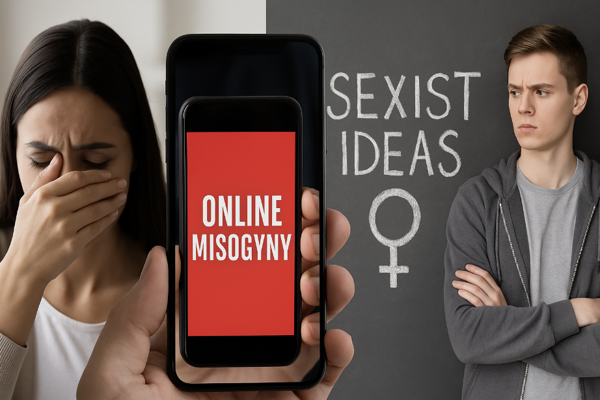
- Misogyny Workshops Helping students recognise and challenge everyday sexism that can feed into unhealthy relationship patterns.
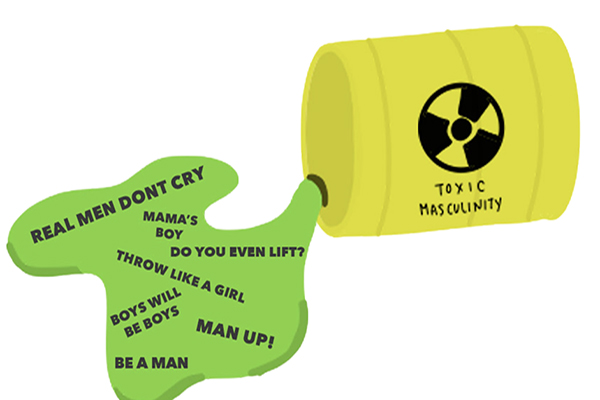
- Toxic Masculinity Workshops Exploring how rigid ideas of “being a man” can lead to controlling or harmful behaviour in relationships — and how to build kinder, healthier ways of being.
- Internet Safety Workshops Practical tools to spot grooming, pressure, or unsafe online content that can spill into real-life relationships.
- Manosphere Workshops Unpacking the online world of “alpha” advice and red-pill ideas that often promote unhealthy views of relationships and gender.
- Consent Workshops Building real confidence around enthusiastic consent, clear boundaries, and respectful communication — essential for safe, equal relationships.
- Sex Education Workshops Age-appropriate sessions on making positive, informed choices about sex, intimacy, and relationships — with a focus on safety and respect.
- Pornography Workshops Helping young people understand how porn can shape unrealistic expectations about sex and relationships, and how to separate fantasy from real life.
- Gender Equality Workshop Fun, empowering sessions that promote fairness, challenge stereotypes, and show why equal relationships make everyone stronger and happier.
- Supportive Friendships Workshop Teaching students how to be a good friend — spotting when a mate might be in an unhealthy relationship, offering real support, and knowing when to get an adult involved.
- Teenage Relationship Abuse Workshops Focused safeguarding sessions on recognising early signs of abuse in teen relationships, understanding coercive control, and empowering young people to stay safe and seek help.
- VAWG Workshops – Explore Violence Against Women and Girls in a clear, age appropriate way, helping students understand how everyday sexism, harassment, controlling behaviour, sexual pressure, and online abuse are connected to wider patterns of gender based harm.
Book Now for 2026 Compliance – Limited slots for VAWG-aligned sessions. Contact us to explore bundled options that maximise value and impact.
You may also like…